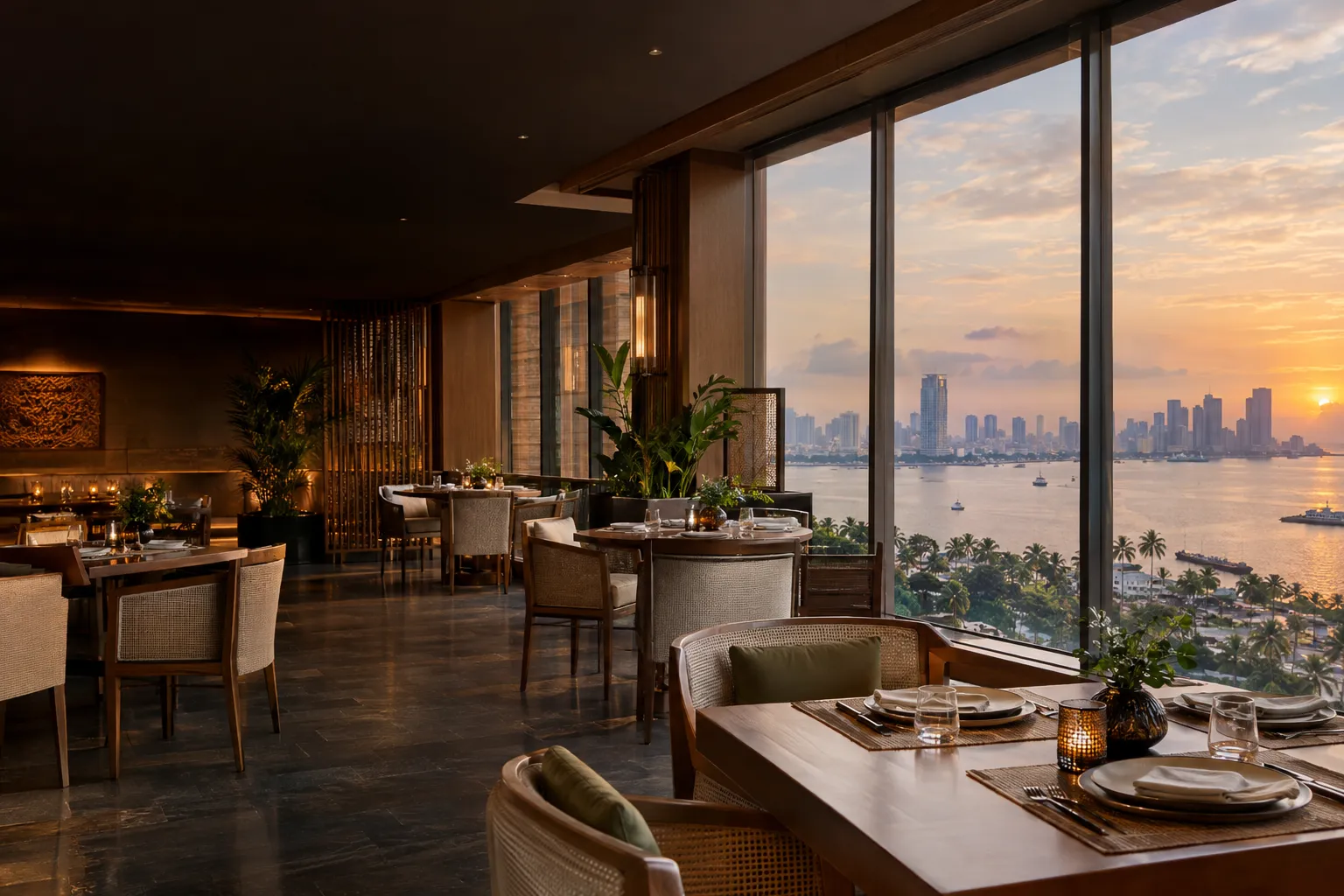
A memorable Manila dining weekend begins with one meal worth building around. Choose the cuisine or experience that matters most, then shape a measured itinerary around its location, your company and the city’s cultural offerings. With current venue details confirmed directly, the result can feel purposeful without becoming over-scheduled.
Choose one meal as the weekend’s anchor, based on the cuisine or dining format that interests you most.
Use the MICHELIN Guide’s 2026 Manila and Environs selection as a discovery resource, then verify venue information directly with restaurants.
MICHELIN Guide selection referenced for Manila and Environs
2026
one-star restaurants named in that selection
8
National Museum central museums hours listed on the booking page
9am–6pm
Fort Santiago weekend hours listed by Intramuros Administration
6am–10pm
The point of the weekend
Planning a refined dining weekend in Manila
A considered dining itinerary has a focal point, but it does not need to feel over-planned. Decide what kind of meal matters most, then select the supporting experiences around it.
Start with the mood, not a checklist
A refined dining weekend in Manila is less about fitting in the greatest number of famous tables than about giving each meal a clear place in the trip. The city rewards deliberate choices: an unhurried dinner built around Filipino cooking, a polished lunch close to a museum, or an evening whose setting is part of the experience. Leave breathing room between those moments. A weekend that moves at a thoughtful pace makes space for conversation, changing appetites and the character of the city beyond the dining room.
Use recognition as a starting point
Manila’s dining options span different cuisines, formats and neighbourhoods. The MICHELIN Guide’s 2026 selection for Manila and Environs offers one structured way to explore that range, distinguishing starred restaurants, Bib Gourmand addresses and other selected restaurants. Its listings include Filipino restaurants as well as French, Japanese and other cuisines. Treat the guide as a discovery tool rather than a complete definition of what makes a meal worthwhile. A restaurant’s cooking, location, atmosphere and fit with your plans all matter, and the right choice depends on what you want the weekend to feel like.
First decision
Choose the meal that defines the weekend
An anchor meal gives a short trip structure. Choosing it first also makes it easier to avoid unnecessary cross-city movements and competing reservations.
Set the weekend’s centre of gravity
Begin by choosing one meal that will anchor the trip. It might be a tasting-menu dinner, a restaurant known for a particular cuisine, or a relaxed lunch that leaves the evening open. The MICHELIN Guide’s 2026 Manila and Environs selection can help identify restaurants by recognition and category; its full listings also provide a broader view of the city’s restaurant mix. Read the current restaurant information carefully, then check the restaurant’s own website or reservation channel for the details that matter to your plans.
Choose a priority that suits the group
One anchor reservation is often enough to give the itinerary shape. If you already know that Filipino cooking is the priority, make that the organising idea rather than adding a second special-occasion dinner simply to complete a perceived checklist. If the group has different interests, consider whether the cuisine or setting is likely to bring everyone together. A single well-chosen meal can be more satisfying than an itinerary that treats every sitting as an event.
Read restaurant listings with care
The 2026 Guide lists Helm in Makati as its two-star restaurant in the selection and names eight one-star restaurants. These are useful points of reference for readers considering a more formal dinner, but recognition alone cannot answer practical questions about the current menu, seating, dietary accommodations or available reservation times. Confirm those details directly with the restaurant before making other plans around the meal.
The character of the meal
Find a dining style that feels personal
Cuisine, menu format and atmosphere are separate decisions. Considering them together helps match the restaurant to the occasion rather than choosing by a name alone.
Decide what you want to taste
Manila’s dining scene is not one single style. The MICHELIN Guide’s Metro Manila directory spans Filipino, French, Japanese and other cuisines, so begin with the kind of cooking you would most like to explore. A cuisine-led choice can make the meal feel connected to the destination; a restaurant-led choice may make more sense when a particular menu or dining format is the draw. Neither approach is inherently better. The useful question is what will make the table feel distinctive to your party.
Make Filipino cooking the thread
For a Filipino-focused dinner, look beyond a broad label and read the restaurant’s own description of its cooking and menu. The MICHELIN selection includes Filipino restaurants, but a listing does not guarantee that a particular dish, ingredient or menu format will be available on your dates. Check the current menu and ask the venue about any dietary requirements before committing. That small amount of preparation helps set expectations without turning dinner into a research project.
Choose the format as well as the cuisine
A tasting menu can offer a deliberately sequenced meal, while an à la carte menu may give a group more freedom to follow individual appetites. A themed or immersive format can make the dining room itself part of the evening. Grand Hyatt Manila describes Le Petit Chef at The Peak as a two-hour, five-course dinner with 3D animation. This is a specific example of an experience-led format, not a template for every special meal. Check the hotel’s current page for availability, schedule and booking details before including it in a plan.
Practical geography
Plan around neighbourhoods and reservations
The city’s districts are part of the planning equation. A thoughtful itinerary gives priority to a coherent day rather than trying to turn every meal into a separate destination.
Group plans by area
Treat location as part of the restaurant decision. Rather than assuming that two appealing addresses will be straightforward to combine, choose dining options by district and consider what else you want to do nearby. The official restaurant pages for Conrad Manila and Grand Hyatt Manila, for example, describe dining at those hotels and help readers identify options in Pasay and Taguig respectively. Those examples do not establish journey times or traffic conditions between venues. Keep the day’s plan geographically coherent and confirm practical arrangements close to the visit.
Consider setting and party size
A hotel restaurant can be a practical choice when it fits the location and mood of the day. Conrad Manila’s dining page describes China Blue as offering Chinese cuisine, Manila Bay views and private dining rooms for groups of eight to eighteen. The same hotel’s Brasserie on 3 page gives restaurant-specific information. Use the venue’s current pages to check what is operating, which dining room fits your party and what reservation arrangements apply. The existence of private rooms should not be taken to mean that one is available for a particular date.
Let confirmed arrangements shape the itinerary
Make the reservation plan before the weekend, especially if dinner is the focal point. Confirm the date, party size, dining time, cancellation terms and any deposit or prepayment requirements directly with the restaurant; do not infer these from a third-party listing. If the group includes children, ask about the restaurant’s current arrangements rather than assuming a particular policy. For a private room or special format, confirm the details in writing with the venue. Then place supporting activities around the confirmed meal, not the other way around.
Culture before the table
Build a considered daytime itinerary
A restaurant-led weekend need not be limited to restaurants. A museum or a measured visit to Intramuros can add context while keeping dining at the centre.
Pair a museum visit with dinner
A daytime cultural visit can give the weekend a second dimension without competing with dinner. The National Museum’s central museums booking page lists the Manila museums of Fine Arts and Anthropology and states daily visiting hours of 9 a.m. to 6 p.m. Check the museum’s current booking information, admission details and visitor guidance before visiting, since policies and access arrangements can change. Allow enough time for the collection and the journey to the evening’s restaurant rather than scheduling the museum visit right up to a reservation.
Give the historic district room
Intramuros can provide a heritage-focused counterpoint to an evening meal. The Intramuros Administration identifies Fort Santiago as a historic fort and a National Cultural Treasure. Its visitor information lists weekend hours of 6 a.m. to 10 p.m.; the administration also provides information for other sites, including Casa Manila Museum. These details should be checked against the current official pages close to the visit. For a relaxed day, choose one or two sites rather than trying to cover the whole historic district before dinner.
Keep the day spacious
The most useful sequence is usually the one that protects the dinner reservation. If a museum or heritage visit is important, verify its current access details first, then choose a restaurant whose location makes sense for the day. Do not build in precise transfer times based on assumption: the cited cultural and restaurant sources establish visitor information and venue details, not journey duration or road conditions. Keep a flexible interval before dinner so the meal begins without the pressure of a tightly packed schedule.
A weekend that breathes
Create a comfortable dining rhythm
A good itinerary alternates focus and freedom. The following principles help make a short stay feel deliberate without dictating a rigid schedule.
Use contrast to create rhythm
A refined weekend has a rhythm, not a succession of reservations. One possible pattern is a substantial dinner on the first evening, a cultural visit and an unhurried lunch the following day, then a final meal chosen for a different mood. This is a planning framework, not a prescribed itinerary: the restaurants, districts and opening arrangements should be selected for the actual dates. Avoid booking elaborate meals back-to-back if the group would rather have time to rest or explore.
Balance the table and the day
Think about the weight of each meal and the pace around it. A leisurely lunch can be the main event of one day, leaving the evening informal; alternatively, a long dinner can take priority while the daytime plan stays light. A restaurant’s published menu may help you decide whether it suits the occasion, but menus can change. Confirm the current offering with the venue and avoid assuming that a previously published menu remains available.
Make the plan work for everyone
If dining with friends or family, agree on the essentials before making reservations: preferred cuisine, budget comfort, dietary needs, preferred meal length and the importance of a particular setting. Share confirmed details with everyone, including the restaurant’s location and any arrival instructions supplied by the venue. Clear expectations are especially helpful when the party is choosing between a tasting menu, a private dining room or a more flexible meal.
Before you go
Keep the final arrangements current
The final stage is not adding more reservations. It is checking the details that determine whether the plan will work on the day.
Verify the details that can change
Before you leave for Manila, confirm each restaurant’s current opening arrangements, reservation status, menu and location directly with the venue. For special formats, private dining and dietary requests, ask the restaurant rather than relying on general descriptions. Check cultural-site information on the relevant official visitor pages as well. A guide listing can point you towards possibilities, but it cannot confirm your booking, a particular menu or a place’s arrangements on your dates.
Reconfirm the reservation, party size and arrival details with the restaurant.
Check menus and communicate dietary requirements directly with the venue.
Verify museum and Intramuros visitor information on official pages before setting the day’s schedule.
Keep a flexible interval between daytime plans and dinner.
Finish with room to be present
The strongest plans are specific where certainty matters and flexible where the city may offer a better alternative. Secure the meal that matters most, make sensible choices about location, and leave room around it. That approach respects both the practical demands of a weekend and the pleasure of eating well: the meal remains the centrepiece, but it is not forced to carry every moment of the trip.
Questions answered
Manila dining weekend itinerary FAQs
How should I begin planning a refined dining weekend in Manila?
Choose one anchor meal first, then organise the rest of the weekend around its cuisine, location and confirmed reservation details.
Can the MICHELIN Guide help me choose restaurants in Manila?
Yes. Its 2026 Manila and Environs selection provides restaurant listings and distinguishes starred, Bib Gourmand and other selected restaurants. Confirm current menus and arrangements directly with each venue.
What can I pair with dinner during a Manila weekend?
A visit to the National Museum central museums or a measured visit to Intramuros can complement dinner. Verify current visitor information and access details with the official sites.
Should I plan several special dinners in one weekend?
Not necessarily. One anchor dinner, supported by a contrasting lunch or a more relaxed meal, can create a varied itinerary while leaving time to explore.