Choosing a vehicle for your party and travel style
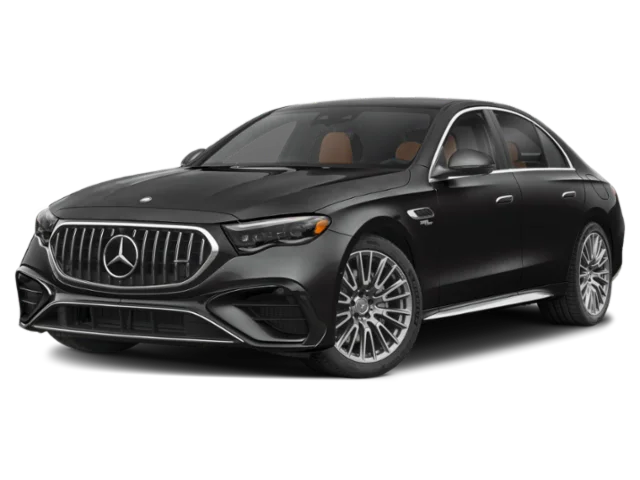
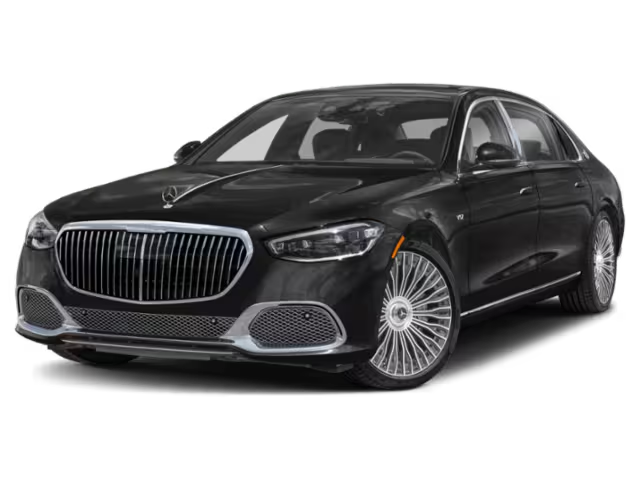
The best vehicle is not necessarily the largest or most luxurious option; it is the one that fits your passenger count, luggage and preferred cabin. For one traveller or a couple with ordinary luggage, an E-Class or S-Class offers a saloon layout. Both are listed for up to three passengers and two large plus two cabin bags. The S-Class adds a focus on legroom and a more elevated cabin experience, while the E-Class is described as an executive choice for solo travellers or couples.
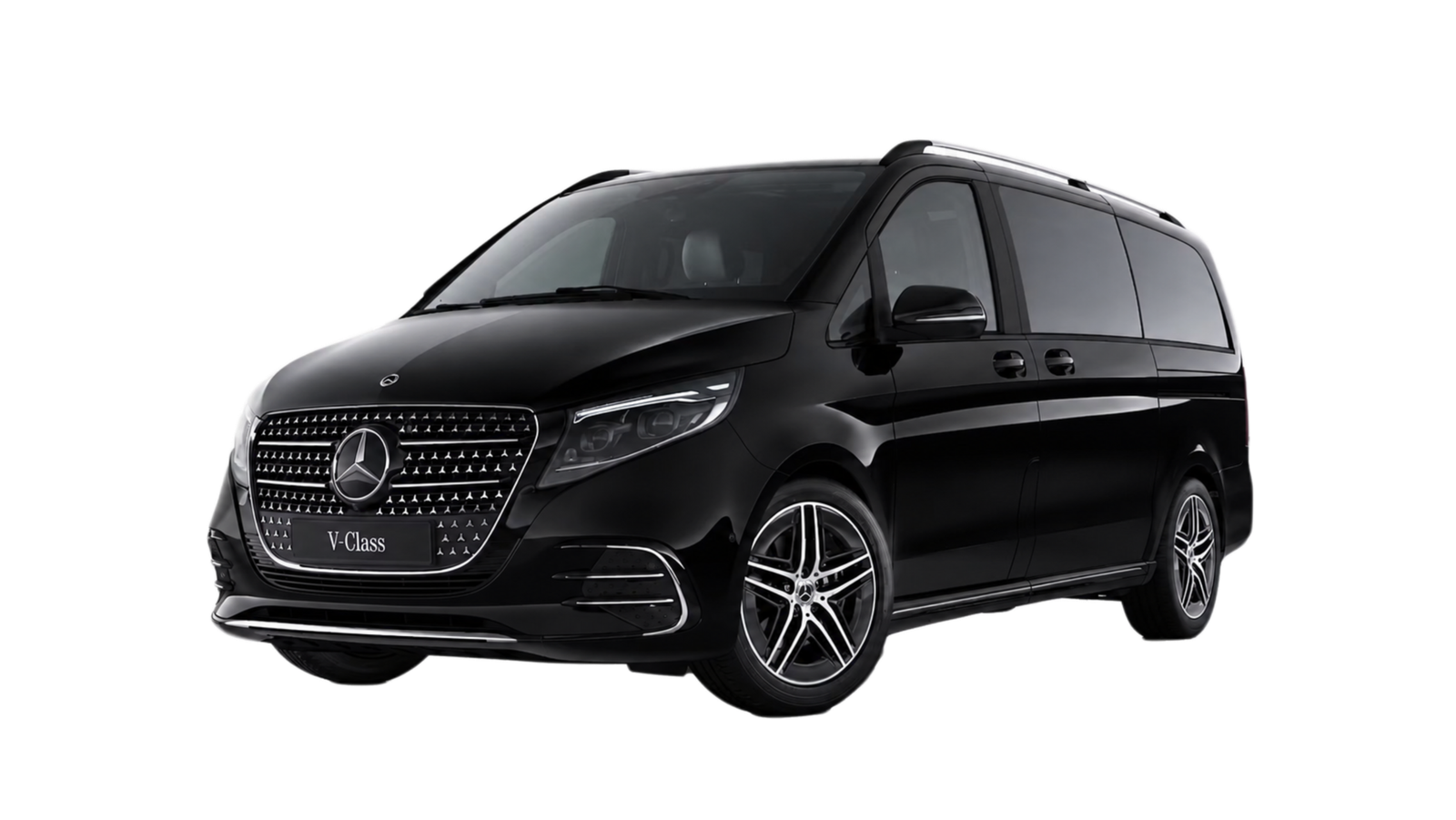
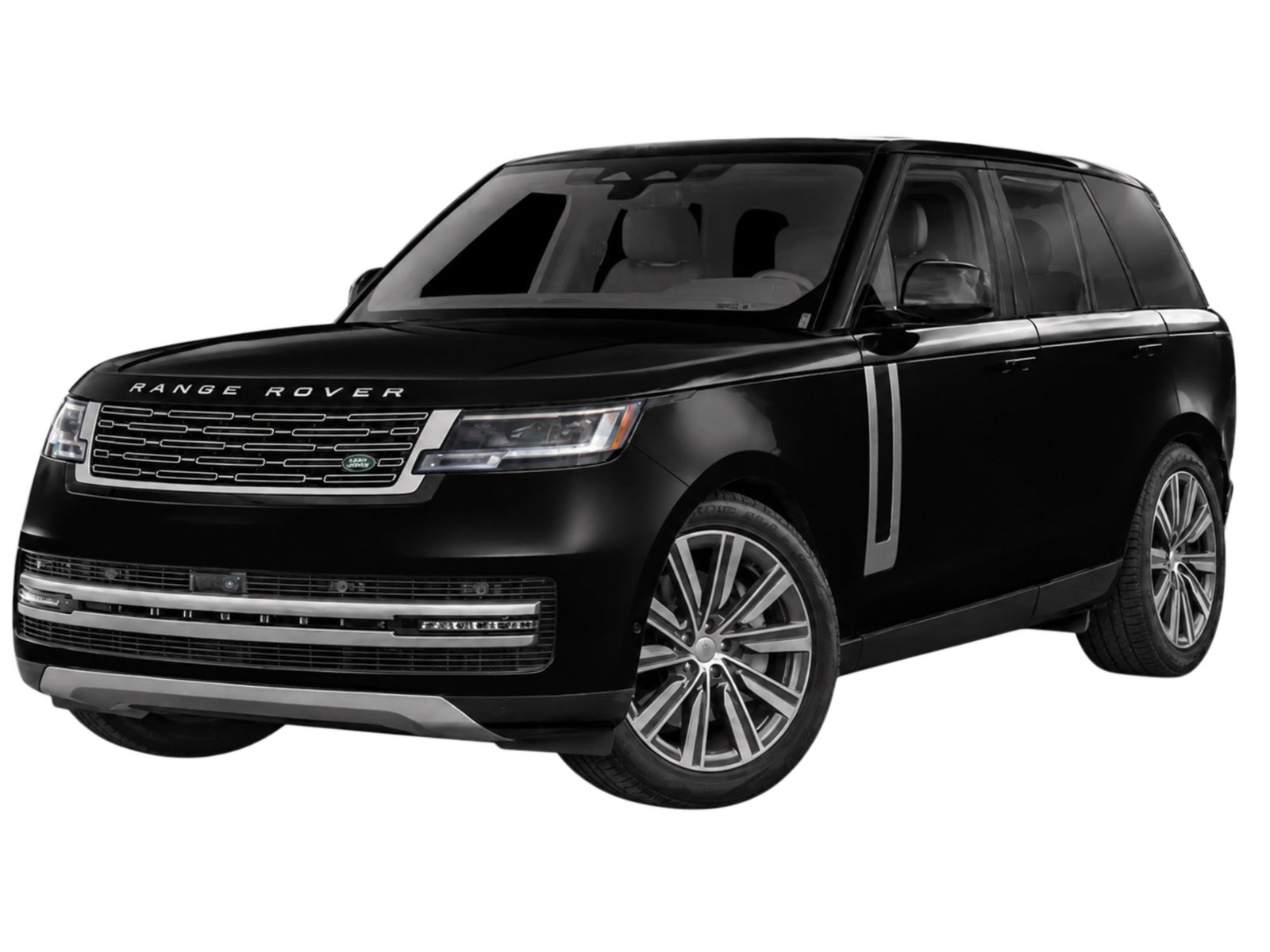
For a party of several people, or anyone travelling with more bags, compare the V-Class capacity first: it is listed for up to six passengers and up to six large plus six cabin bags. Its MPV layout is intended for group travel and has configurable seating. The Range Rover is a separate SUV option for up to three passengers with two large and two cabin bags; choose it for the SUV style rather than assuming it carries more luggage than a saloon.
Treat the published passenger and bag figures as planning limits, not as a guarantee that every combination of people and belongings will fit equally comfortably. Bag dimensions and bulky items matter. If your group has oversized equipment, delicate items or a mix of large cases and cabin bags, give the booking team the details and ask them to confirm the suitable vehicle before the itinerary is finalised. This is more useful than selecting a car by passenger count alone.
A practical checklist before your airport pickup
A few details supplied before travel can make the airport handover easier to coordinate. Start with the flight number and scheduled arrival time, then make sure the passenger name or company name for the meet-and-greet sign is correct. If flight details change, pass on the update promptly so the pickup plan can be adjusted using the flight monitoring information.
Next, count both people and bags. Distinguish large cases from cabin bags and mention anything that does not fit those categories neatly, such as sports equipment, musical instruments or other bulky items. If an item is sensitive or needs careful placement, say so in advance. This lets the team consider the vehicle and luggage arrangement before the chauffeur meets you, rather than discovering a mismatch at the airport.
Before leaving for the airport, keep the booking confirmation and a way to contact the service accessible. On arrival, proceed to the agreed meet-and-greet point inside the arrivals terminal and look for the personalised sign. The chauffeur is expected to assist with luggage, but an accurate bag count and clear information about unusual items help set realistic expectations about loading.
If several passengers are arriving together, decide in advance who will identify the chauffeur and gather the group. This small coordination step can reduce uncertainty when people are collecting bags at different speeds. For a business booking, confirming whether the sign should display an individual’s name or a company name can also make recognition more straightforward.
Checking luggage fit as well as passenger capacity
Capacity planning should account for both seats and luggage space. A vehicle may fit the number of passengers but still be a poor match if the party has more bags than the stated allowance. The E-Class, S-Class and Range Rover are each listed for up to three passengers with two large and two cabin bags. The V-Class is listed for up to six passengers with up to six large and six cabin bags.
Use those figures as the starting point for comparing options, then consider what you are actually bringing. For instance, a group of six with multiple large suitcases should discuss the V-Class rather than assume that any vehicle with enough seats will also hold the luggage. Conversely, a small party with a modest amount of baggage may prefer a saloon or SUV, depending on cabin preference and confirmed capacity.
Bag categories do not describe every object’s shape or handling needs. A long, rigid or delicate item may take up space differently from a standard case, so mention its dimensions or nature when requesting confirmation. Do the same for unusually bulky equipment. The available information does not specify a separate allowance for special items, so ask the service to confirm the proposed vehicle can accommodate them.
If the luggage configuration is close to the stated limit, avoid treating the remaining space as certain without checking. Provide a complete list of passengers, large bags, cabin bags and special items when booking. The purpose is not only to reserve enough seats; it is to make sure the vehicle can carry the complete party and belongings together.
Planning your London destination, stops and timing
A door-to-door transfer can end at a hotel, residence, office or another specified London address. Give the full destination when booking, including any useful details that distinguish the intended entrance or drop-off point. A precise address helps the team plan the journey and avoids relying on a broad destination such as a neighbourhood or district.
If you need a stop on the way, raise it before confirmation. The service information allows for comfort stops or detours if prearranged, but it does not establish that an unplanned stop is automatically included. Agreeing the request in advance gives the booking team a chance to confirm how it affects the itinerary and quote. The same principle applies if you have multiple London drop-offs: list them in the order you expect to travel and ask for confirmation.
Build flexibility into any onward appointment or connection. The stated journey time is approximately 90 minutes, but traffic and time of day can affect it, and peak periods may add delay. The chauffeur can consider traffic updates and alternative routes; that does not make a precise arrival time certain. If you have a fixed commitment, allow a margin rather than scheduling it at the estimated arrival minute.
When deciding on a pickup time or onward schedule, consider the traffic patterns described for morning and evening periods as well as the destination within London. A central address may require different final access from a hotel or office elsewhere in the city. Share any access or drop-off preference in advance, and confirm whether kerbside drop-off or another arrangement is appropriate for the location.
What to verify when reviewing a transfer quote
A clear quote depends on a clear itinerary. Provide the Cambridge Airport pickup, London destination, travel date and time, flight number, passenger count, luggage details and any requested stop or special arrangement. These facts help the team select a vehicle and confirm the journey details rather than estimating from an incomplete request.
The service describes its pricing as fixed and inclusive of fees, with no hidden costs. Before you accept a quote, check that it reflects the full route and the details you supplied. In particular, verify the chosen vehicle, passenger and baggage plan, destination address and any prearranged stop. If any detail changes, ask whether the confirmation or quoted amount needs to be updated; do not assume that a revised itinerary is covered by the original confirmation.
You can book through the online platform or contact the team by telephone, email or WhatsApp. Choose the channel that makes it easiest to provide the full trip information and receive a written record of the confirmed itinerary. Keep that confirmation available on travel day so you can check the pickup plan and contact details if needed.
The airport service includes 60 minutes of complimentary waiting after flight arrival. That allowance is distinct from the journey itself; if you expect an unusual circumstance or need extra time, ask the team how it will be handled before travel. For hotel or residential pickups, the supplied service facts specify 15 minutes of complimentary waiting. Confirming the applicable pickup type and waiting arrangement in advance helps avoid misunderstanding.
Making the journey comfortable and straightforward
A private chauffeur transfer can give you a quieter transition between the airport and your London address than having to manage the onward journey yourself. Consider how you want to use that time. A business traveller might prefer a calm cabin to prepare mentally for a meeting, while a leisure traveller may simply want to settle in after a flight. The chauffeur service is described as professional and discreet, so you can state any reasonable preference for a quiet or conversational journey.
The listed onboard provisions include bottled water, tissues, wipes, phone chargers and an umbrella. These are useful conveniences, but travellers should not assume that a particular device connector or other unlisted amenity is available. If charging matters, bring the cable or adapter needed for your device and confirm any specific requirement before booking.
For comfort, consider which cabin arrangement suits your party. A saloon offers an executive car setting for a smaller group, the V-Class is intended for larger parties, and the Range Rover provides an SUV option. If passengers have differing preferences or accessibility-related needs, explain them when arranging the transfer so the appropriate option can be discussed; no specific accessibility equipment is confirmed in the supplied service details.
The chauffeur can assist with luggage at pickup and destination. You can make that help more efficient by keeping travel documents and essential items separate from cases that will be loaded into the vehicle. If an item needs careful handling, point it out when you meet the chauffeur as well as mentioning it during booking.
All vehicle types and amenities are subject to availability and confirmation at the time of booking. Journey times may vary due to traffic or unforeseen circumstances.