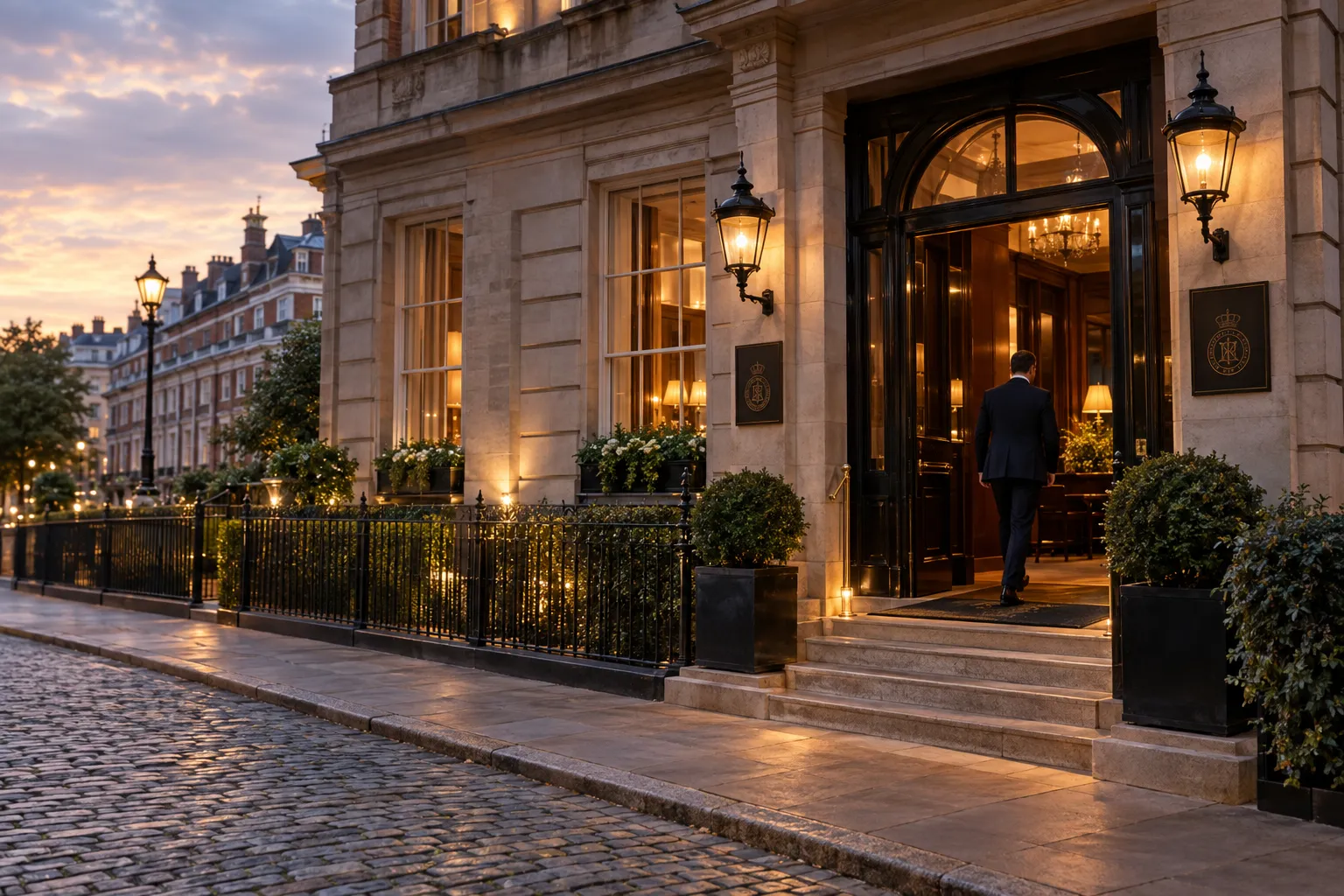
A Considered Guide to London Private Members Clubs
Discover the rich heritage and contemporary appeal of London private members clubs, institutions that blend exclusivity with tradition, offering members a sanctuary for social and professional engagement. This guide provides an extensive examination of their history, culture, variety, membership processes, and evolving role in modern London society. Delve deep into the nuances defining these clubs, their role across centuries, and practical considerations for potential members seeking a place within this unique social mosaic.
Article overview
What are London private members clubs?
London private members clubs are exclusive social establishments with a long history, offering a private space for networking, socialising, dining and leisure.
These clubs often require a rigorous membership application, emphasising discretion, tradition, and shared interests or status among members.
Typical Club Origins
Many clubs date from the 18th and 19th centuries, rooted in British social history.
Membership
Often by invitation or ballot, with strict vetting to maintain exclusivity.
Function
Providing private dining, social events, networking opportunities, and leisure facilities.
Locations
Concentrated in central London, with some clubs housed in historic buildings.
Historical Foundations
The Origins and Legacy of London Private Members Clubs
London’s private members clubs originated in the 18th century, reflecting societal structures and elite gatherings primarily of gentlemen. These clubs evolved as exclusive retreats for discussion, camaraderie, and business among the upper classes, shaping Britain's cultural and political landscape. They stand today as institutions revealing the layers of social history through their architecture, membership customs, and ongoing traditions.
18th and 19th Century Beginnings
The inception of London private members clubs occurred in the 18th and 19th centuries, with establishments such as White's (established 1693), Brooks's, and the Reform Club setting enduring precedents. These clubs were founded as sanctuaries away from the public eye, where aristocrats, politicians, and influential citizens could assemble in confidence. Their membership was heavily male-dominated, often restricted to the elite, reflecting contemporary social hierarchies. The clubs not only facilitated social interaction but also played instrumental roles in shaping political discourse and social trends during their formative years. Their physical locations often occupied stately townhouses or bespoke clubhouses designed by notable architects, contributing to London's architectural heritage.
Clubs functioned as exclusive meeting points for upper-class gentlemen with shared political or societal interests.
Inheritance and patronage often influenced membership, cementing social stratification.
The settings fostered debates and decisions that remarkably impacted British governance and society.
Interiors featured bespoke woodwork, fine art collections, and libraries, fostering an atmosphere of cultivated refinement.
Evolution Through the 20th Century
Throughout the 20th century, many London private members clubs underwent considerable transformation. While preserving their traditional values and exclusivity, some clubs adapted to changes by broadening their membership criteria. This included the gradual inclusion of professionals from diverse sectors, reflecting the evolving composition of British society. Importantly, the post-1960s era saw a shift towards admitting women in several clubs, aligning with wider social progress. Additionally, newer establishments emerged, catering to different interests including arts, entrepreneurship, and cultural pursuits, thereby expanding the broader club landscape in London. This period also saw the re-evaluation of certain traditions and the incorporation of modern amenities such as fitness facilities and event spaces.
Specialist clubs emerged catering to professionals in arts, sciences, education, and business.
The shift towards inclusivity marked a departure from strictly hereditary and gendered membership.
Clubs began balancing heritage with modern expectations to remain relevant.
Modern renovations often blended historical preservation with contemporary functionality, ensuring clubs met evolving member needs.
Membership and Culture
Understanding Exclusivity and Membership
Membership within London’s private members clubs is a carefully curated process, reflecting the clubs' dedication to maintaining selective communities bound by shared values, privacy, and tradition. This exclusivity creates an environment conducive to discreet socialisation and professional networking, often framed within longstanding cultural expectations. The process of joining and participating respects both the individual member's profile and the collective ethos that defines each club.
How Membership Works
Applying for membership usually entails submitting a detailed application supported by references from existing members. This process involves multiple stages, including scrutiny of the applicant’s background, professional standing, and alignment with the club’s ethos. Many clubs conduct interviews or a ballot among members to endorse new candidates. A waiting period is typical, enabling due diligence and ensuring confidentiality. This rigorous process is designed to uphold the club’s traditions and communal harmony. Prospective members often are advised to engage with current members and familiarise themselves with club culture before formal application. Membership categories can vary, including full, associate, overseas, or honorary statuses each with distinct criteria and privileges.
Applicants often provide personal histories and endorsements highlighting character and achievements.
Multiple stages of vetting reinforce commitment to discretion and mutual respect.
Membership approval processes vary but commonly include ballots and confidential interviews.
Candidates may be assessed for compatibility with club values, ensuring harmony within the membership body.
In some clubs, sponsorship by two or more current members is mandatory before proceeding to formal consideration.
Cultural Expectations
Members are entrusted with upholding codes of conduct that preserve the dignity and character of their clubs. This encompasses adherence to dress codes, especially in formal dining areas, respect for others’ privacy, and observance of customary etiquette. The culture within clubs emphasises refinement, courtesy, and a spirit of camaraderie that sustains the club’s heritage. Social events and gatherings are structured to foster meaningful interactions within a respectful and polished environment. New members are often introduced through formal ceremonies or orientations to embed them within the club’s traditions and expectations.
Formal attire is often required during dinners and official events, reflecting the club’s status.
Behavioural norms promote discretion, politeness and considerate interaction among members.
Privacy is paramount; conversations and events are confidential and exclusive to members.
Respecting silence or subdued conversation in particular spaces such as libraries or lounges is customary.
Guests must also adhere to club protocols and are typically subject to member sponsorship and oversight.
Varieties of Clubs
From Traditional Gentlemen's Clubs to Contemporary Social Spaces
London’s private members clubs are not monolithic; their diversity reflects the city’s evolving social fabric. The spectrum ranges from venerable gentlemen's clubs steeped in history and exclusivity to innovative spaces that appeal to modern professionals, creatives and entrepreneurs, each offering distinct atmospheres and facilities. This plurality offers a rich array of environments catering to a wide range of interests, values, and social or professional objectives.
Traditional Gentlemen's Clubs
These longstanding clubs retain much of their original character, with interiors that evoke classic British elegance. Facilities typically include formal dining rooms, libraries, card rooms, and smoking areas. Such clubs continue to appeal to those drawn by heritage, exclusivity, and the preservation of long-held customs. Their membership remains highly selective, often primarily male, and they act as custodians of historical traditions and social networks. Architectural elements often include period interiors, fine wood panelling, and curated portraiture reflecting club history. Events include formal dinners, debates, and private member talks, reinforcing cultural legacy.
Clubs like White's, Boodle's and the Garrick Club exemplify traditional ideals.
Membership often remains restricted, preserving the exclusivity of the British upper classes.
These clubs maintain rituals, decor and customs passed down over centuries.
Their premises contribute heritage value and stand as cultural landmarks within London’s social history.
Modern Social and Professional Clubs
Reflecting shifts in society and work culture, newer clubs have emerged with flexible, inclusive memberships. These venues focus on creating vibrant environments supporting networking, creativity, and lifestyle enhancement. They blend social spaces with work-friendly amenities, including event venues, art exhibitions, wellness centres, and casual dining. Such clubs often welcome a diverse demographic, ranging across industries and backgrounds, fostering dynamic interactions in contemporary settings. These clubs may prioritise innovation, cultural programming, and technological integration while maintaining an air of exclusivity. Members benefit from spaces designed for collaboration as well as relaxation.
Examples include Soho House, The Ned and other contemporary lifestyle clubs.
Membership tends to be more inclusive, welcoming professionals from varied sectors and all genders.
Facilities integrate modern technology, wellness services and cultural programming.
These clubs often host regular curated events such as talks, film screenings, art openings and networking mixers.
Navigating Club Selection
Choosing the Right London Private Members Club for You
Identifying a suitable private members club requires an understanding of individual priorities alongside an appreciation of each club’s distinctive character. This entails careful research and reflection to ensure the club’s environment, activities, and values resonate personally and professionally. Practical considerations such as location, membership cost, and accessibility complement cultural fit and interest alignment. Prospective members are recommended to attend open days, where available, or social events as guests to experience the atmosphere firsthand before committing.
Assessing Your Priorities
Prospective members should consider their primary objectives for joining a club. These may include socialising with like-minded individuals, accessing networking opportunities within specific industries, enjoying cultural events, or seeking leisure and dining experiences. Investigating a club’s calendar of events, facilities, and member demographics provides insight into its suitability. Location remains an important practical consideration given London’s breadth and transport links. Membership fees, including initiation costs and annual subscriptions, vary widely and should be balanced against anticipated usage and benefits.
Examine the club’s events, regular activities, and special interest groups.
Assess membership diversity and the social milieu to gauge potential fit.
Consider proximity to home, workplace or frequent destinations for convenience.
Review financial commitments including joining fees, annual dues, and guest charges.
Reflect on the club’s ethos and history to ensure alignment with personal values and preferences.
Application Tips
Approaching the application with thorough preparation can enhance prospects. Engaging informally with current members helps develop understanding and support. Familiarity with each club’s membership process and etiquette signals commitment. Patience is vital, as some clubs maintain waiting lists and exacting criteria. Maintaining discretion throughout safeguards the integrity of the process and the privacy expected by clubs. Professional conduct and genuine interest in club life are critical — applicants should express their motivations clearly and thoughtfully. Seeking advice from established members about approach and expectations is advantageous.
Research and understand each club’s unique application requirements.
Cultivate sponsorship and references through professional or personal networks.
Demonstrate respect for club traditions and confidentiality throughout the process.
Prepare to articulate reasons for joining and how you would contribute to club life.
Be patient and responsive to communications from club officials during vetting.
Notable Clubs Explored
Spotlight on Iconic London Private Members Clubs
Examining specific clubs provides concrete examples of London's private members club scene, illustrating their range, heritage, and appeal. Their distinct characters reflect various facets of London's social and cultural history, revealing the diversity within this exclusive milieu and aiding prospective members in understanding what each club embodies.
White's
Established in 1693 and located in St James's, White's is one of London's most venerable gentlemen's clubs. Its history entwines with British aristocracy and politics. The club has historically been associated with conservative political discourse and discreet social gatherings for the upper echelons. The architecture and interiors retain Georgian elegance, complementing its exclusive ambiance. Membership remains by invitation with stringent selection criteria. White’s exclusive reputation is linked with its historical role as a hub for political and social influence mainly within Conservative circles and British nobility.
Privately owned and managed, with membership capped and tightly controlled.
The club premises host private dining, games, and political discussions.
Renowned for maintaining traditions that date back centuries.
Facilities include elegant dining rooms, card rooms and private salons adorned with historical artifacts.
Soho House
Founded in 1995 in London’s Soho district, Soho House caters to creative professionals including artists, writers, media, and entrepreneurs. Its ethos embraces diversity and modernity, offering members a stylish yet relaxed environment for socialising and work. Facilities include restaurants, screening rooms, spas and event spaces. Soho House has expanded internationally, maintaining the balance between exclusivity and welcoming contemporary culture. Membership focuses on industry and creative achievements, with policies designed to cultivate a community fostering collaboration and inspiration.
Provides flexible spaces blending social, professional and cultural activities.
Upholds a membership policy focusing on creative industries but diversifies profiles.
Programs include curated events, exhibitions, workshops and culinary experiences.
Strong emphasis on community-building through creative workshops and cultural engagement.
The Garrick Club
Since its establishment in 1831, The Garrick Club has been a distinguished association for actors, theatre enthusiasts, and patrons of the arts. Situated near Covent Garden, it preserves a rich collection of theatrical memorabilia and art. The club offers a unique environment combining social facilities with cultural heritage, attracting members from performing arts and related spheres. It continues to be a meeting place for those engaged in or passionate about the dramatic arts, maintaining traditional yet welcoming practices.
Includes a substantial library and dining rooms significant for theatrical history.
Hosts intellectual and artistic events fostering cultural dialogue.
Retains traditional rules while welcoming a broad range of art-oriented members.
Its collection includes portraits, scripts and artefacts celebrating theatrical history.
Practical Insights and Etiquette
Making the Most of Membership and Navigating Club Etiquette
A respectful embrace of club customs enhances mutual enjoyment and sustains the dignity embedded within London’s private members clubs. Understanding nuances of conduct, attire, and participation ensures members contribute positively to the club environment. This section provides practical guidance on expected behaviours and engagement to help members integrate and benefit fully.
Etiquette Essentials
Members should acquaint themselves with the specific dress codes applicable to various parts of the club, often requiring formal or business attire in dining and meeting spaces. Politeness and discretion in conversation preserve the privacy and comfort of all present. The use of mobile phones is generally restricted or discouraged in shared areas to maintain atmosphere. Engagement in club traditions affirms one’s place within the community and respects the continuity of the institution. Understanding dining protocols, from seating arrangements to toasts, often forms a vital part of club etiquette.
Dress codes vary from smart casual to formal evening wear, depending on the occasion.
Respect for fellow members' privacy and avoidance of contentious public discussions is expected.
Use of technology is mindful, often confined to private areas or silenced in communal spaces.
Observance of dining etiquette including punctuality, conversational decorum and seating norms is common.
Members should familiarise themselves with club-specific customs to avoid unintentional breaches.
Engaging with Club Life
Members benefit from active participation in social, cultural and business events organised by the club. Attendance fosters networking and deepens connections within the membership. Observance of RSVP protocols and punctuality reflect courtesy. Responsible use of resources and club amenities safeguards the quality and exclusivity of services offered to all members. Respectful interaction with club staff and sensitivity to shared spaces contribute to a harmonious environment. Over time, members may be invited to join committees or contribute to programming, enriching the club experience.
Participate in club events and interest groups to maximise value from membership.
Respond promptly to invitations and respect event capacity limits.
Maintain club property and environments to ensure longevity and comfort.
Offer constructive feedback and contribute to club governance where appropriate.
Maintain cordial relationships with staff and other members, fostering community spirit.
Contemporary Trends and Future Outlook
The Future of London Private Members Clubs
London’s private members clubs are evolving, balancing tradition with modern expectations. This section explores emerging trends and what the future might hold for these exclusive institutions, highlighting adaptation strategies and commitment to relevance amid societal change. As cultural norms shift and technological advances continue, clubs must reconcile heritage with innovation to sustain appeal.
Inclusivity and Diversity
Modern private members clubs increasingly recognise the value of fostering inclusivity and reflecting the diverse society that London embodies. Efforts involve widening eligibility criteria beyond traditional parameters of social class and gender, emphasising merit, professional achievement, and culture. Many clubs now actively pursue diverse membership profiles including international professionals, varied age groups, and underrepresented communities. This evolution enhances the vibrancy and dynamism of club life while honouring their principles. Diversity initiatives often extend to programming and community engagement, enriching the cultural fabric of the clubs.
Initiatives to admit women broadly and create gender-balanced environments.
Opening doors to international members and professionals from varied industries.
Programmes addressing social issues and promoting cultural exchange.
Embracing younger members to ensure longevity and innovative perspectives.
Digital Integration and Modern Amenities
Technology is increasingly integrated to enrich member experiences without compromising club character. Digital platforms facilitate booking, communication and event management, streamlining access and interaction. Facilities are upgraded to include wellness centres, co-working spaces and well-designed culinary offerings. Events may blend in-person and virtual participation, extending reach and convenience. Such modernisation ensures relevance in an increasingly connected and fast-paced world, supporting clubs’ sustainability and appeal. Security and privacy measures are continually enhanced to uphold the trusted environment expected by members.
Online booking apps and member portals for efficient engagement.
Investment in health, wellness and business facilities to cater to contemporary lifestyles.
Hybrid event formats combining physical gatherings with virtual attendance options.
Enhanced digital security to protect member confidentiality and club information.
Sustainability initiatives embedded within club operations reflecting social responsibility.
Questions answered
London private members clubs FAQs
What defines a private members club in London?
It is an exclusive social club requiring membership approval, providing privacy and a range of amenities for its members.
How does one apply for membership at these clubs?
Typically, applications require sponsorship by existing members, a formal vetting process and sometimes a ballot or interview.
Are women allowed in all London private members clubs?
While many traditional gentlemen’s clubs were historically male-only, numerous clubs now admit women, reflecting changing social norms.
What kinds of facilities do these clubs offer?
Facilities often include dining rooms, bars, event spaces, libraries, leisure areas and sometimes accommodation or wellness centres.
Can non-members visit these clubs?
Generally, access is limited to members and their guests, maintaining privacy and exclusivity.
Are these clubs linked to particular professions or interests?
Many clubs have historic ties to certain professions, political affiliations or social interests, though modern clubs may focus on lifestyle or creative industries.
Final perspective
Embracing Tradition, Navigating Modernity
London's private members clubs remain enduring symbols of exclusivity and community. Understanding their heritage and evolving culture offers a unique insight into London's social fabric, connecting past and present in a refined setting. If the experience also involves private travel, explore Chauffeur when planning the journey around it.
Article reviewed and updated 02.10.2026.
London Direct Chauffeurs Ltd
London direct chauffeurs
Typically replies within minutes
Hello,
Thank you for visiting London Direct Chauffeurs,How may I assist you today?