Set a theme and rank your Royal London priorities
Before choosing individual stops, decide what you most want the day to be about. A royal-history focus may call for more time around historic landmarks, while a broader day could mix landmark views with gardens, architecture, or a cultural stop. Starting with a theme helps make an eight-hour route feel coherent rather than like a checklist of unrelated places.
Make a short priority list with three categories: essential stops, worthwhile alternatives, and places to include only if time allows. Share that ranking when discussing the itinerary. It gives the planner a practical way to make decisions if travel takes longer than expected or you find that you want to linger somewhere. It also helps avoid spending the day rushing between too many locations.
For each priority, note what interests you there: a particular view, time for photographs, a walk, or a closer look at the surroundings. The same stop can take very different amounts of time depending on your purpose. If you are travelling with others, compare priorities in advance and agree on a few shared highlights. That small conversation can make the final route easier to tailor to the whole group.
Build a realistic day around travel, stops and flexibility
An eight-hour private tour has to accommodate both time at stops and the journeys between them. A useful planning conversation therefore covers more than the list of places: discuss how long you would like to spend exploring, whether you want several brief photo stops or fewer longer visits, and how much unplanned time you would find comfortable. The itinerary can then reflect your pace rather than simply maximising the number of locations.
Treat proposed stop lengths as planning estimates, not fixed promises. The article gives a typical range of 30 minutes to an hour, but your interests and the type of stop can change what feels appropriate. A park stroll, a quick exterior view and a visit that involves more exploration are not interchangeable. Ask for a proposed schedule that identifies the intended length of each stop and leaves room to adapt.
Traffic can affect the time available at later stops. To make the plan more resilient, identify which locations matter most and which could be shortened or omitted if the day runs behind. Keep the final return point and any onward commitments in the discussion as well. This does not remove the effects of traffic, but it gives the chauffeur and passengers a clear basis for adjusting the day without having to renegotiate every choice.
Specify what you want to do at each landmark
Clarify what you mean by a stop at each landmark. You might want an exterior viewpoint and time for photographs, or you may be hoping to spend longer exploring a location. Those plans can require different amounts of time, so describing the experience you want is more useful than naming a place alone. The sample itinerary, for example, describes exterior views at some landmarks; it should not be read as confirmation that admission or an inside visit is included.
If entering a venue is important to you, raise that before the route is confirmed. Ask whether the proposed schedule can accommodate the time you have in mind, and check any venue-specific arrangements yourself before relying on a visit. The tour information does not establish admission, opening arrangements, or access at individual attractions, so those details should not be assumed as part of the chauffeur service.
A practical itinerary can distinguish between a brief view, a walk nearby, and a longer exploration. This makes expectations clearer for everyone and helps preserve time for other priorities. If you are uncertain, put the longer visit on your essential list and keep a nearby exterior stop as an alternative. The chauffeur can help with route logistics, while the final choice of how to spend your stop remains guided by your interests and the time available.
Plan meals and breaks as part of the route
Decide how lunch should fit into the day before confirming the route. You can ask about a break near the places you plan to see, or discuss arranging a recommended nearby restaurant or a place of your choosing. If you prefer not to commit to a long meal, tell the booking team that keeping the schedule adaptable matters more than reserving a particular lunch stop. The article describes lunch as something that can be arranged, rather than an automatic included meal.
Tell the team about dietary requirements or other practical considerations when you enquire, particularly if you want help planning a meal stop. Sharing them early gives the itinerary discussion a chance to account for your needs. Do not assume a restaurant booking, food, or refreshments beyond the stated vehicle amenities are included; confirm any arrangements that matter to you.
It can also help to identify a comfortable point in the route for a rest or refreshment break. The tour plan can include pauses, and the chauffeur can offer local recommendations, but the best timing depends on the route and your group's pace. If you are travelling with children or a mixed-age group, mention that when planning so the schedule can allow for a more comfortable rhythm rather than relying on one continuous stretch of sightseeing.
Match the vehicle to both passengers and luggage
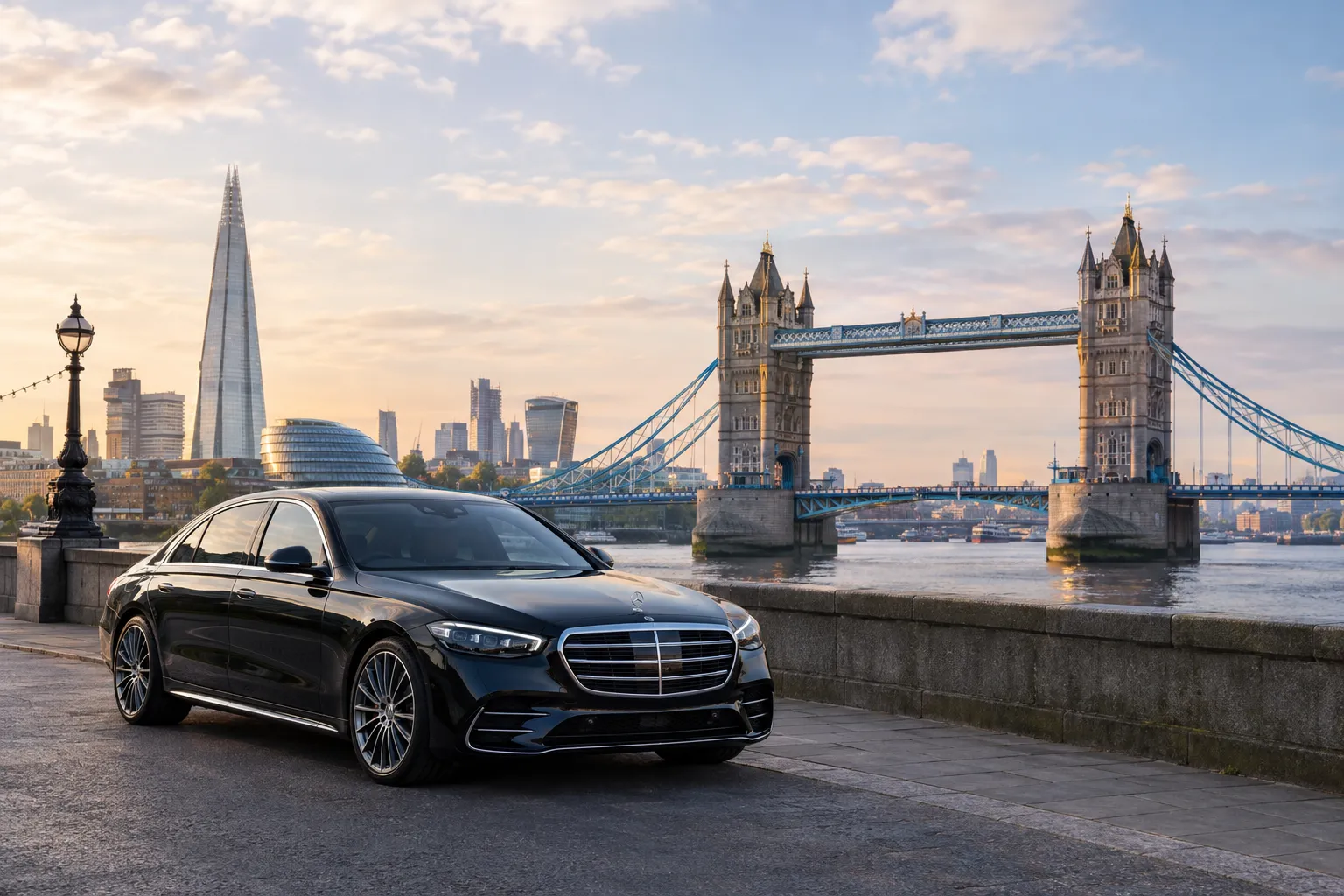
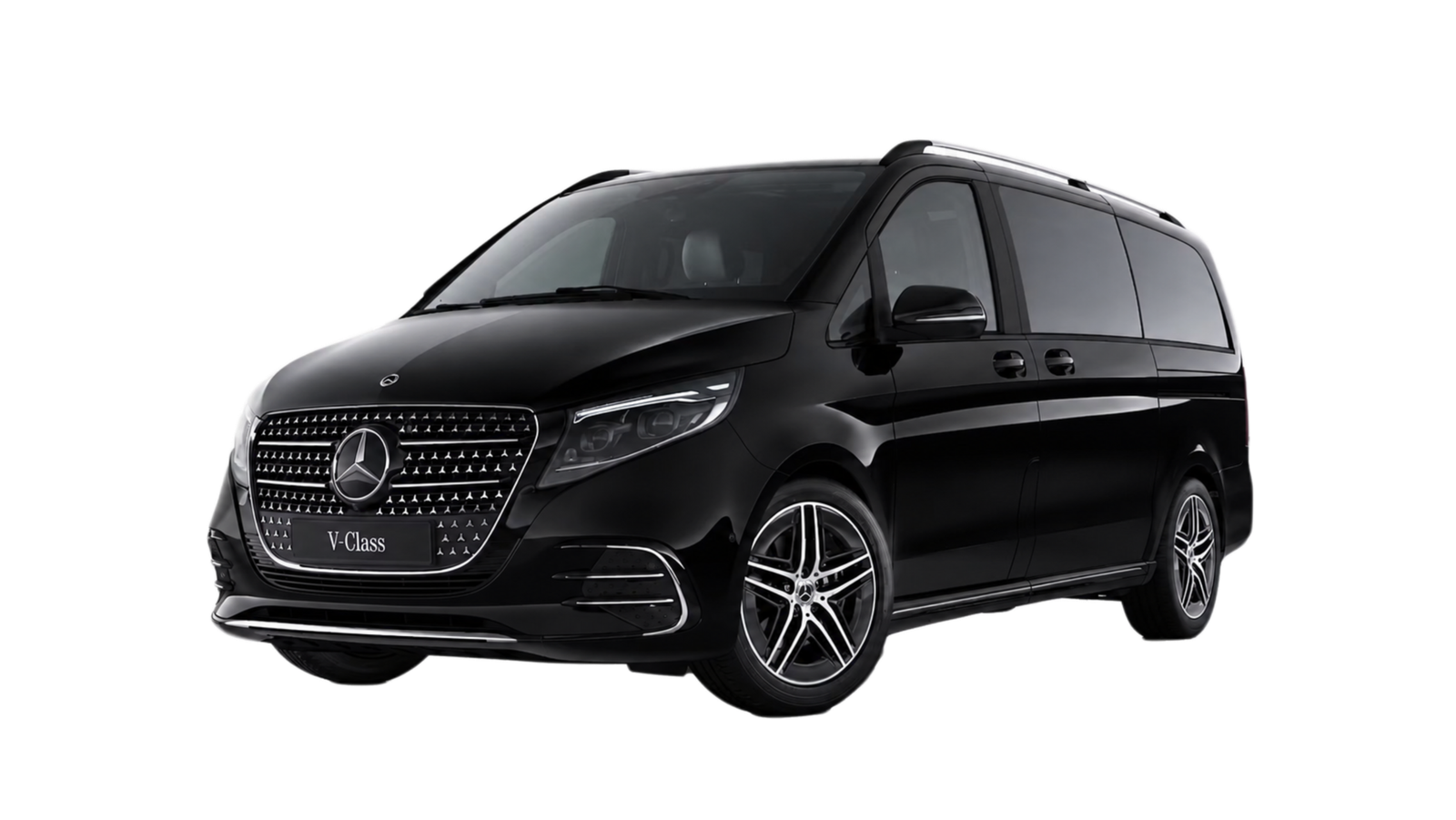
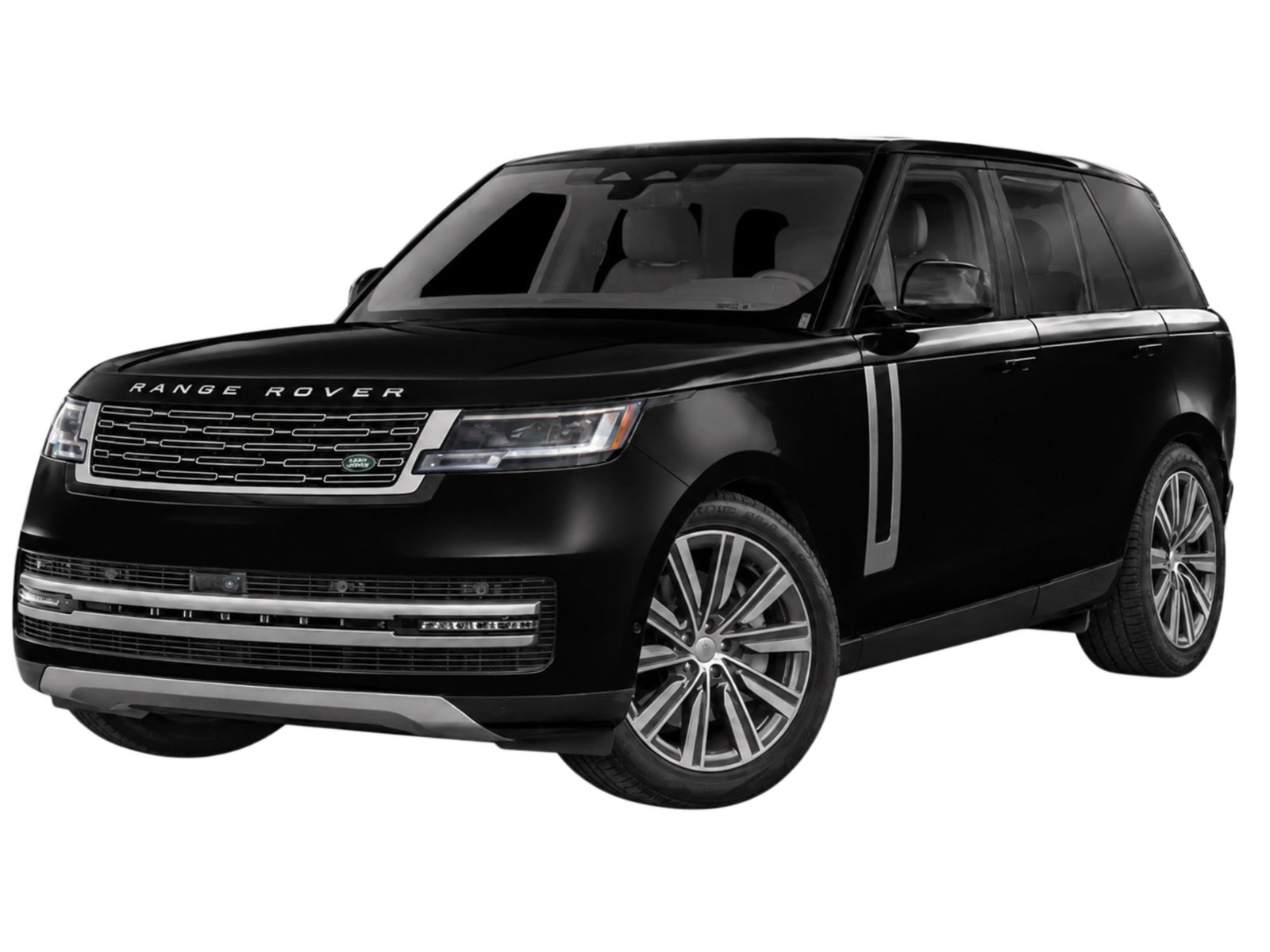
Choose a vehicle using two checks: the number of passengers and the bags travelling with you. A vehicle may have enough seats but still be a poor fit if your group has substantial luggage. For the E-Class, S-Class and Range Rover, the stated capacity is up to three passengers with two large and two cabin bags. The V-Class carries up to six passengers with up to six large and six cabin bags. Use those stated figures when comparing options, and confirm your actual luggage before booking.
If your group is near a vehicle's passenger limit, consider whether everyone will be comfortable with the planned journey and belongings. Tell the booking team about unusually shaped items or additional bags rather than relying on a general estimate. The V-Class offers the larger stated passenger and luggage capacity, while the saloons and Range Rover suit smaller groups within their listed limits. The choice is a practical match of space and group size, not simply a matter of selecting the most prestigious model.
For a group, nominate one person to confirm the final headcount and luggage total. Include hand luggage as well as larger cases, and update the team if those details change. This gives the company a clearer basis for recommending a vehicle and avoids making a selection based only on passenger numbers. If accessibility or mobility considerations also affect your choice, explain them during the same conversation so the vehicle and route can be discussed together.
Confirm meeting points and pickup timing in advance
Agree the pickup and return details before the tour day. Give the exact hotel, residence, or other agreed London location, along with a reliable contact method and the preferred start time. Confirm where the chauffeur should meet you and where you want the tour to finish. A specific end point is especially useful if you have onward travel or a separate commitment after the tour.
The verified pickup arrangements differ by location: hotel and residential pickups include 15 minutes of complimentary waiting, while airport pickups include flight monitoring, meet and greet, luggage assistance, and 60 minutes of complimentary waiting. If your tour begins with an airport pickup, make clear how the transfer and sightseeing schedule are intended to fit together. Confirm the agreed plan rather than assuming the airport waiting allowance changes the duration or itinerary in a particular way.
Have the group ready at the agreed meeting point and keep the chauffeur's contact details available. If plans or arrival information change, communicate promptly so the pickup can be coordinated. At the end of the day, check the return destination with the chauffeur before setting off. These simple checks reduce uncertainty around the handover between sightseeing and the rest of your travel plans.
Prepare a complete enquiry for a more useful itinerary proposal
A useful enquiry gives the booking team enough information to shape a route and recommend a vehicle. Include your preferred date and start time, pickup and return locations, passenger count, luggage, and the main places or themes you want to prioritise. Add any mobility requirements and explain whether your group prefers frequent short stops or fewer, longer visits. This is more actionable than asking for a generic sightseeing route.
If lunch, a particular break, or an optional detour matters to you, identify it as a preference rather than leaving it implicit. Also tell the team which choices are flexible. For example, you might be set on one landmark but open to alternatives for the remaining time. The booking information says that a proposal can include vehicle recommendations and estimated stop timings, and that route, parking, and traffic considerations can be discussed.
When you receive a proposal, check that it reflects the details you provided. Review the pickup and drop-off points, vehicle, passenger and bag fit, planned stops, and estimated timing. Ask questions about anything unclear, especially arrangements that are important to your day. The company can revise stops, timings, and special requests during planning, so resolving uncertainties before confirming is a practical way to align expectations.
Agree how to handle changes during the tour
A bespoke route benefits from a small amount of flexibility. Before the day, decide which stop could be shortened or dropped if traffic or a longer visit changes the schedule. You can also decide whether you would rather protect a particular landmark or preserve time for a relaxed break. Sharing these preferences helps the chauffeur understand how you would like changes handled, rather than making assumptions on your behalf.
During the tour, check in with the chauffeur if you want to adjust the pace or consider a nearby point of interest. The service describes timing as adaptable and allows for short detours on request, but an adjustment still has to fit the remaining time and route. Ask about the effect on later stops before changing direction, particularly if you have an agreed return time or a priority you do not want to lose.
Keep optional additions realistic: each extra stop uses time for both the visit and the journey to it. If an unexpected place becomes more interesting than planned, you may choose to spend longer there and reduce time elsewhere. A clear priority list makes that trade-off easier. The aim is not to fit every possible sight into one day, but to use the available time in a way that suits your group.
All timings and itinerary details are subject to traffic conditions and client preferences at the time of booking.