Choose a route by deciding what deserves real time first
With six hours available, the most useful first decision is not how many names to fit into the route, but which few experiences matter most to your group. Choose a primary theme—royal history, architecture, museums, riverside views, or a broad first look at London—and rank the places that support it. This gives your chauffeur a clear basis for proposing a route and makes it easier to decide what can be shortened if travel takes longer than expected.
A landmark can mean different things to different visitors. You might want a photograph and a short walk near a building, a view from the vehicle, or time to go inside and explore. These are not interchangeable plans: an interior visit generally needs more time than an external stop, so several substantial visits may compete with one another in a six-hour itinerary. State which places are essential and which are optional when discussing the route.
For a group with mixed interests, select a shared priority and then add one or two alternatives that suit individual preferences. For example, a museum-focused group can decide in advance whether the British Museum or National Gallery area is the stronger choice, rather than trying to allocate meaningful time to both. A group drawn to outdoor sights might prefer to balance a historic stop with a short walk in St James’s Park. The aim is a coherent day, not a checklist that leaves little time to enjoy any one place.
Ask the chauffeur to help order the chosen stops into a practical sequence. Their local knowledge can inform route planning, while your priorities determine what deserves time. Keep some flexibility in the plan: identify a lower-priority stop that can be dropped, and agree what the preferred alternative is if the group would rather pause for a break. This approach preserves choice without requiring every decision to be made on the day.
Match every landmark to the kind of visit you want
Before confirming the itinerary, label each planned stop by the kind of visit you actually want: a drive-by view, a photo opportunity, a brief walk, or a longer independent visit. This simple distinction helps prevent a common mismatch between expectations and the clock. The tour can include external viewing and short stops, but those should not be mistaken for a guided or extended visit inside a landmark.
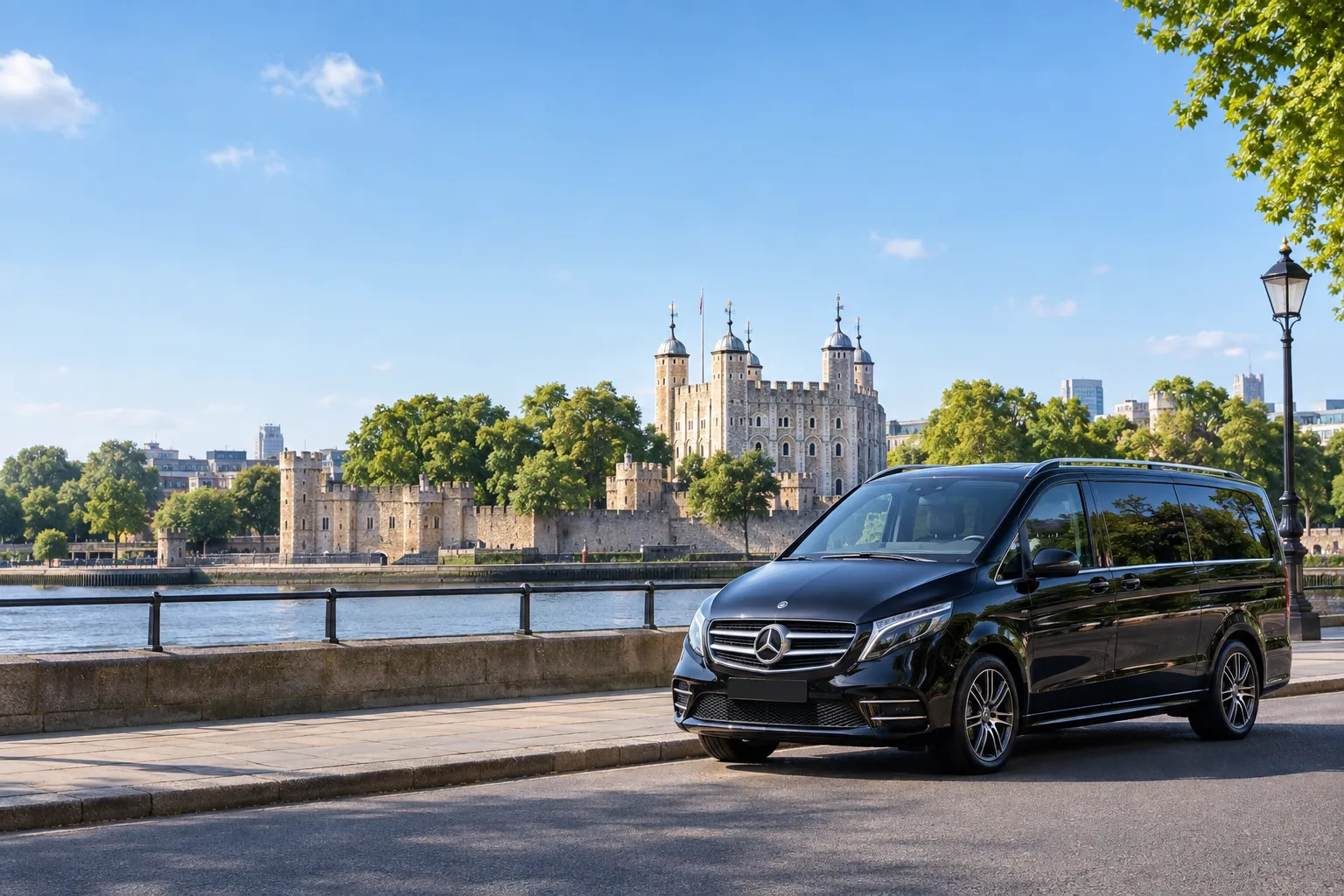
The route description identifies the Tower of London and Tower Bridge area as a place for photographs and external viewing, and notes that Tower entry would need to be arranged separately. It describes the British Museum or National Gallery precincts as timed stops, including the possibility of window-shopping or external viewing. If entering a venue is important, discuss that intention while planning, confirm any separate entry arrangements yourself, and allow enough of the six-hour schedule for the visit as well as the journey.
A useful trade-off is depth versus variety. More stops can give a wider first impression of London, especially when some are viewed from the vehicle or visited briefly. Fewer stops can provide more unhurried time for walking, refreshments, or engaging with a place in greater detail. Neither approach is automatically better; the right balance depends on the interests, pace, and energy of your party.
For each priority, agree on a practical fallback. If the group has limited time or prefers not to go inside, you could keep an external view or photograph as the shorter version of the stop. If a museum is the main purpose of the tour, you may choose to remove another attraction rather than compress the visit. Treating these as choices in advance makes it easier to adapt without feeling that an important part of the day has been lost.
Plan stop lengths around what your group will do there
The tour includes 15 minutes of complimentary waiting at stops. Think of this as a short pause for a photo, a quick look around, or a brief comfort break—not as a guaranteed block of time for a full museum or landmark visit. If your group wants a longer stop, raise it before the tour and ask how it can fit the itinerary; extra waiting can be arranged subject to availability and may affect the planned schedule.
When estimating stop time, consider the whole sequence rather than counting only the minutes spent at a landmark. Getting out, gathering the group, taking photographs, walking to a viewpoint, and returning to the vehicle all use time. A stop that sounds brief on paper can feel rushed if it involves several of these steps. Tell the chauffeur which activities matter most so the route can be planned around realistic pauses instead of an overly crowded list.
Build the day around a few meaningful pauses. A short walk in St James’s Park or a refreshment break near a cultural stop may suit a group that wants to stretch its legs. A party more interested in views may prefer to keep stops short and include the drive through Piccadilly Circus, Trafalgar Square, and the Thames Embankment. Since these are different ways to use the same limited tour time, choose according to your group’s priorities.
It is also helpful to agree a simple decision rule for the day. For example, the group can decide that a must-see stop stays in the plan, while an optional photo stop is skipped if everyone would rather take a longer break. If you want additional waiting at a particular location, make that preference clear beforehand rather than assuming it will be added without changing anything else. That lets the chauffeur advise on the consequences for the remaining route.
Keep the six-hour plan flexible enough for the journey
A six-hour tour is a fixed-length introduction to the city, so route planning should allow for the difference between time in the vehicle and time out exploring. The article describes multiple visits at a comfortable pace, but it does not promise a particular duration at every landmark or guarantee that every proposed stop will fit. Use the itinerary discussion to set priorities and ask the chauffeur to advise on sensible travel intervals.
It can help to divide your plan into three levels: essential stops, desirable stops, and optional extras. The essential list should be short enough to leave room for the journey and breaks. Desirable stops can be added if the route and pace allow, while extras—such as another photo opportunity—can be considered on the day. This is more robust than giving every possible attraction equal importance.
Traffic and the amount of time your party chooses to spend at a stop can affect how the day unfolds. The chauffeur monitors local traffic and plans the route, but a practical itinerary still needs room to adjust. Avoid making the final part of the tour depend on several tightly timed visits. If you have an onward appointment or a particular drop-off destination, mention it while booking so the route and return plan can take that into account.
The tour can end at the pickup point or an alternative address within central London, according to the article. Confirm the intended destination and any important timing before the day. A clear finish point helps the chauffeur plan the final leg and helps your group judge whether to use spare time for a rest stop, a refreshment pause, or another brief view. Additional waiting beyond the six-hour tour is charged separately, so discuss any likely extension in advance.
Check luggage and passenger numbers before choosing the vehicle
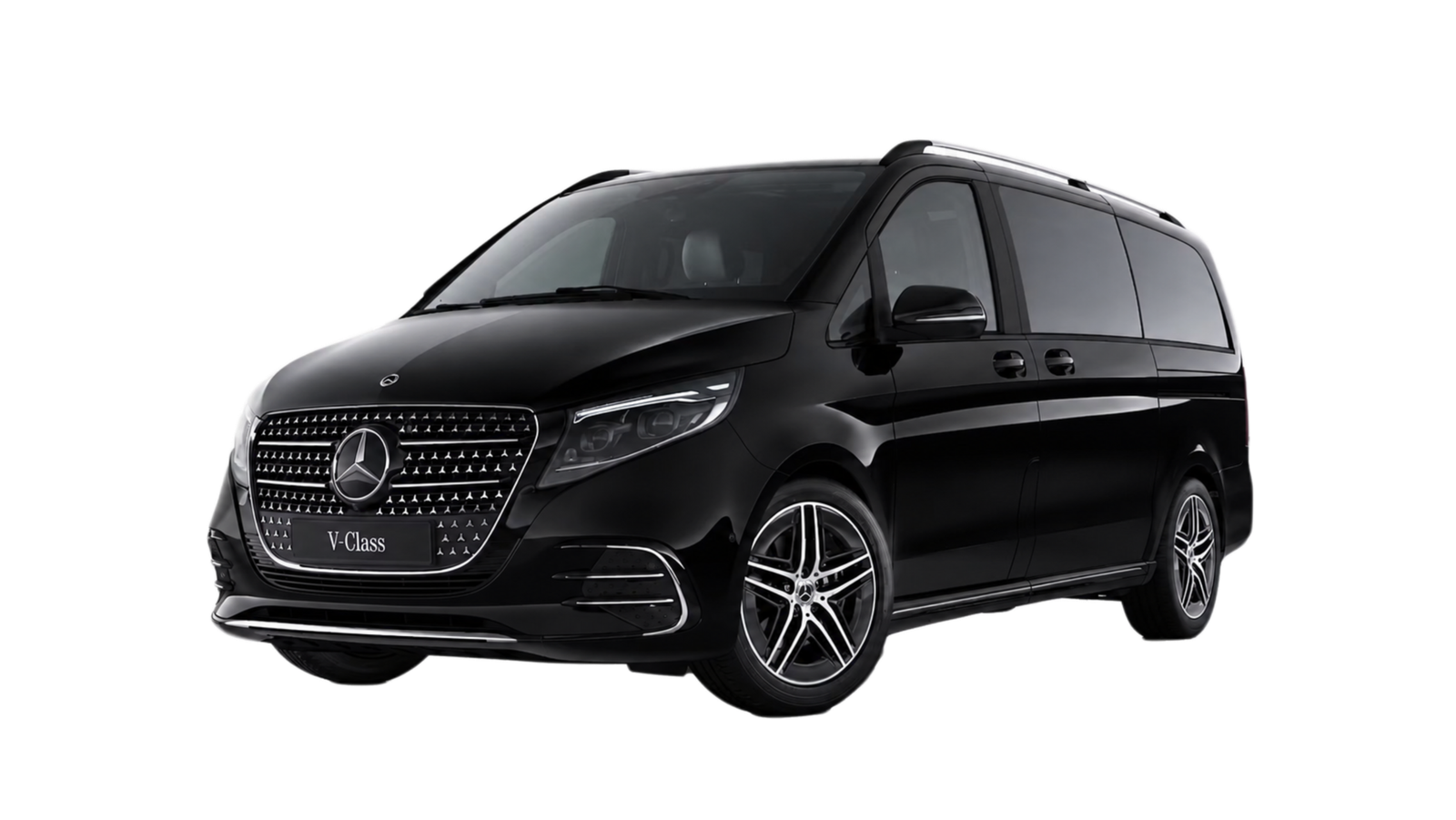
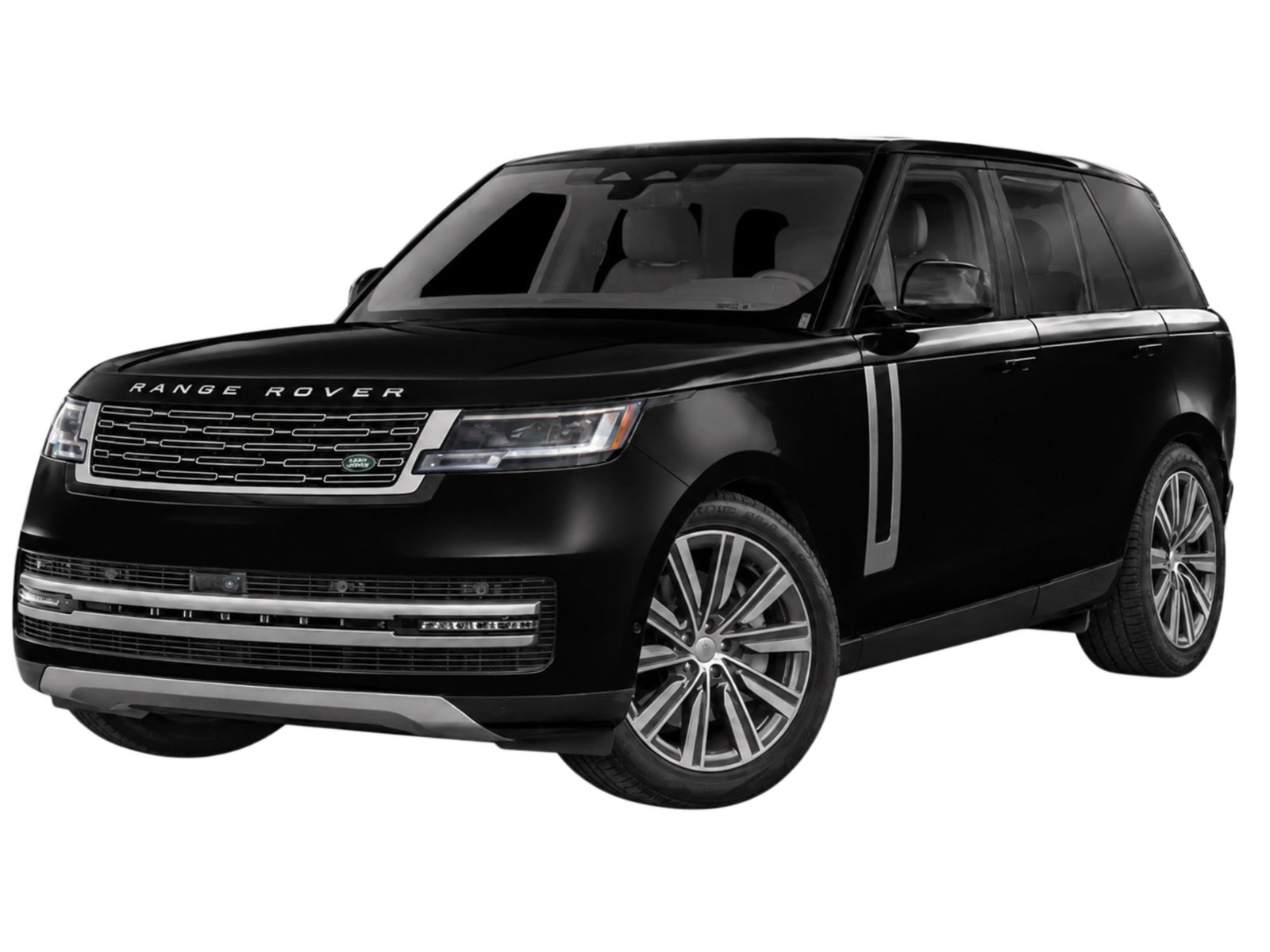
Choose the vehicle by checking both passenger numbers and the bags you will have with you. The Mercedes E-Class and S-Class and the Range Rover each carry up to three passengers with space stated for two large and two cabin bags. The Mercedes V-Class carries up to six passengers and has capacity stated for up to six large and six cabin bags. These figures are useful planning limits, not a substitute for describing the actual luggage your party expects to bring.
A vehicle that has enough seats may not be the best fit if everyone is travelling with substantial luggage. Conversely, a smaller party may prefer to decide between a saloon, SUV, and MPV based on the cabin style and seating arrangement they want, while keeping the bag allowance in view. The V-Class is the listed option for a party of four to six; the saloon and Range Rover options are limited to three passengers.
Before confirming, make a straightforward count of adults, children, large suitcases, and cabin bags. Include any mobility aids or other bulky items in your enquiry, because their shape can matter as well as the number of bags. The article advises sharing every large and cabin bag before confirmation. Providing this information early gives the booking team a better basis for matching your group with an available vehicle.
The stated amenities include bottled water and phone chargers, and the vehicle information also lists tissues, wipes, and an umbrella. These details can make a city tour more comfortable, but they do not replace planning for your own needs. If you require a child seat, request it during booking; if your party has a particular accessibility or equipment requirement, describe it at the same time. Confirming these practical details together is more reliable than treating passenger capacity as the only vehicle-selection criterion.
Prepare pickup details and fixed commitments before booking
When you enquire, provide the preferred date, passenger count, pickup address, intended drop-off, and a shortlist of places you want to see. Add any fixed commitments, such as an event time or an onward connection, and explain which stops are essential. This gives the booking team useful context for discussing a realistic route rather than trying to fit an itinerary around incomplete information.
Pickup waiting differs by location. The verified service details state that hotel and residential pickups include 15 minutes of complimentary waiting. Airport pickups include flight monitoring, meet and greet, luggage assistance, and 60 minutes of complimentary waiting. If you are starting at an airport, share your flight details and confirm where the meeting will take place. If the pickup is at a hotel or residence, provide the precise address and any relevant arrival instructions.
If the tour begins with luggage, mention the number and sizes of bags when selecting the vehicle. The tour information allows pickup from a specified London address, airport, hotel, or private jet terminal, while the verified pickup facts cover airport and hotel or residential waiting arrangements. For any other pickup setting, ask the booking team to confirm the applicable arrangements instead of assuming that the same waiting allowance applies.
Before the tour, review the confirmed itinerary summary and driver contact details. Check that the start point, finish point, passenger and luggage details, and high-priority stops are recorded as intended. If your plans change, communicate the change as early as possible. Clear information at booking supports a smoother handover on the day and makes it easier for the chauffeur to discuss practical adjustments with you.
Plan accessible stops around the needs of your party
If anyone in your party has limited mobility, explain what assistance is needed when you enquire rather than waiting until the day. Useful details include whether someone uses a mobility aid, how far they are comfortable walking, and whether getting in and out of the vehicle requires particular support. The service can advise on accessible routes and drop-off points, and advance information helps the team consider those needs when planning the stops.
Accessibility is shaped by more than the vehicle. A short distance on a map may still involve walking around a large site, standing for photographs, or moving between a drop-off and a viewpoint. Tell the chauffeur which kinds of movement are difficult so you can discuss a suitable balance of external views, brief walks, and vehicle-based sightseeing. The article notes accessible drop-off and pick-up points at the Westminster and royal-park stop, but individual requirements should still be discussed in advance.
For a mixed-ability group, ask which planned stops are likely to require the most walking and decide where the party can regroup. One person may prefer to take a shorter walk while others explore briefly, or the group may choose to prioritise stops with convenient access. Do not assume every landmark or route offers the same level of access; confirm the arrangements for the specific places on your proposed itinerary.
Weather and energy levels can also influence comfort during an outdoor stop. The vehicle amenities include an umbrella, and the chauffeur can help with logistical adjustments, but neither removes the need to plan for individual requirements. Keep an optional stop available to drop if anyone needs more rest, and tell the chauffeur if the pace should be adjusted. Advance discussion makes it more likely that the tour can remain comfortable and enjoyable for the whole party.
All vehicle use is subject to availability; itinerary timings and stop durations may vary due to traffic and passenger preferences.