Choosing Your Blenheim Palace Priorities Before the Visit
Blenheim Palace offers several different ways to spend a visit: exploring the palace interiors, walking through the gardens and grounds, or seeing exhibitions. With a limited stop within a day that also includes Oxford, decide in advance which of these matters most to your party. That gives the itinerary a useful priority rather than leaving everyone to choose between activities after arrival.
For example, a group interested primarily in architecture and history may want to focus on the interiors and an exhibition, while visitors who prefer open-air exploration may choose to devote more of their stop to the gardens. These are planning examples, not a promise that every area or exhibition will be open on a particular day. Venue opening times and access can affect what is possible, so check current details before settling on a plan.
The visit is described as allowing up to 2.5 hours. Treat that as a planning allowance, not as a requirement to spend the whole time on one activity. Consider how much time your group wants for each priority, whether you would like a refreshment break, and how much unstructured time would make the stop enjoyable. If you are travelling with people who prefer different things, agree on a shared priority and a realistic point to regroup.
A chauffeur-arranged guided option is mentioned, but a guided visit should not be assumed to be included automatically. Ask what arrangements are available when discussing the itinerary, and confirm any venue access or guided activity details separately. This distinction helps you avoid building the day around an activity that has not been confirmed.
Balancing Travel, Palace Time and Oxford Within Ten Hours
The tour lasts 10 hours and combines travel from your collection point, a Blenheim Palace visit, time in Oxford and the return journey. The balance between those parts depends in part on where the day begins and on traffic. The stated journey estimates—around 90 minutes from central London to Blenheim Palace and around 30 minutes from Blenheim to Oxford—are useful reference points, not guarantees for a particular departure.
The outline allows up to 2.5 hours at Blenheim and up to three hours in Oxford. Those are maximum planning windows in the itinerary description, not evidence that every tour will have exactly that much time at each stop. The complete day also needs to accommodate the outward and return journeys, traffic variation and any agreed breaks. Discuss the total schedule with the booking team rather than treating the stop allowances as separate from the 10-hour service.
Choose the day’s emphasis before requesting a final sequence. If the palace is the main reason for travelling, protect time there and treat Oxford as a focused introduction. If Oxford matters more, decide which city interests you want to prioritise and avoid trying to fit every possible stop into the available visit. A concise plan with a little breathing room is more useful than a long list of places that cannot all be explored comfortably.
The route and stop order can be discussed with the chauffeur, while traffic and venue opening times remain practical constraints. Ask how the proposed allocation changes if the collection point is outside central London, if you want a meal stop, or if traffic reduces the time available. Confirm the agreed collection and return points, and understand which parts of the schedule are flexible, before the day begins.
Planning a Focused Oxford Stop Rather Than Rushing the City
Oxford can be approached as a city walk, a set of selected cultural stops, or a more relaxed period for food and browsing. The tour description identifies historic university colleges, museums, cobbled streets, dining venues and boutique shops as possible interests. Since the visit is limited to a part of a 10-hour day, pick a small number of priorities instead of assuming that the time will allow a comprehensive visit to the city.
If architecture and university history are your main interests, ask the chauffeur to advise on a convenient sightseeing drop-off and consider arranging a guided walking tour in advance. If you prefer to explore independently, identify a starting point and a short list of places that can sensibly be visited from there. The chauffeur can support the logistics, but the description does not promise admission to colleges or museums, nor does it establish that a guide or entry is included.
A visit to the Ashmolean is given as one example of an Oxford activity. If a particular museum or other venue is important to you, check its opening information and access arrangements for your intended date, then tell the booking team how it fits into the day. That makes it easier to discuss a practical drop-off, the time you want to spend there and whether you still want time for a walk or meal.
Allow the group to agree on a meeting point and a realistic return time to the vehicle. This is especially helpful if some people want to browse while others prefer a museum or a guided walk. Luggage assistance and transport back to the vehicle are described as available on demand, but it is still sensible to confirm the rendezvous plan with your chauffeur before separating.
Preparing a Pickup and Return Plan That Fits Your Starting Point
Give the booking team a precise collection address and explain whether you are starting at an airport, hotel, residence or another location. The tour can begin at a selected collection point, but the location affects the travel portion of the day. A central London journey estimate should not be applied automatically to a pickup elsewhere in the UK; ask for an itinerary based on your actual starting point.
For an airport pickup, share the relevant arrival information and agree how you will meet the chauffeur. Airport pickups include flight monitoring, meet and greet, luggage assistance and 60 minutes of complimentary waiting. Hotel and residential pickups include 15 minutes of complimentary waiting. These allowances describe pickup waiting; they should not be confused with the separate time available for sightseeing stops.
Before departure, make sure the group knows the collection point and has a practical way to contact the chauffeur or booking team if plans change. If you have luggage, state the number and type of bags as well as the passenger count. That allows the operator to consider the vehicle and the loading requirements together, rather than planning for seats alone.
The return is to the chosen destination or an agreed alternative within the service area. Confirm that destination while planning the route, especially if it differs from the original pickup. Traffic can affect the return timing, so avoid relying on an exact arrival time unless it has been discussed with the booking team. A clear pickup and return plan reduces avoidable uncertainty on a day with several travel legs.
Selecting a Vehicle by Real Passenger and Luggage Needs
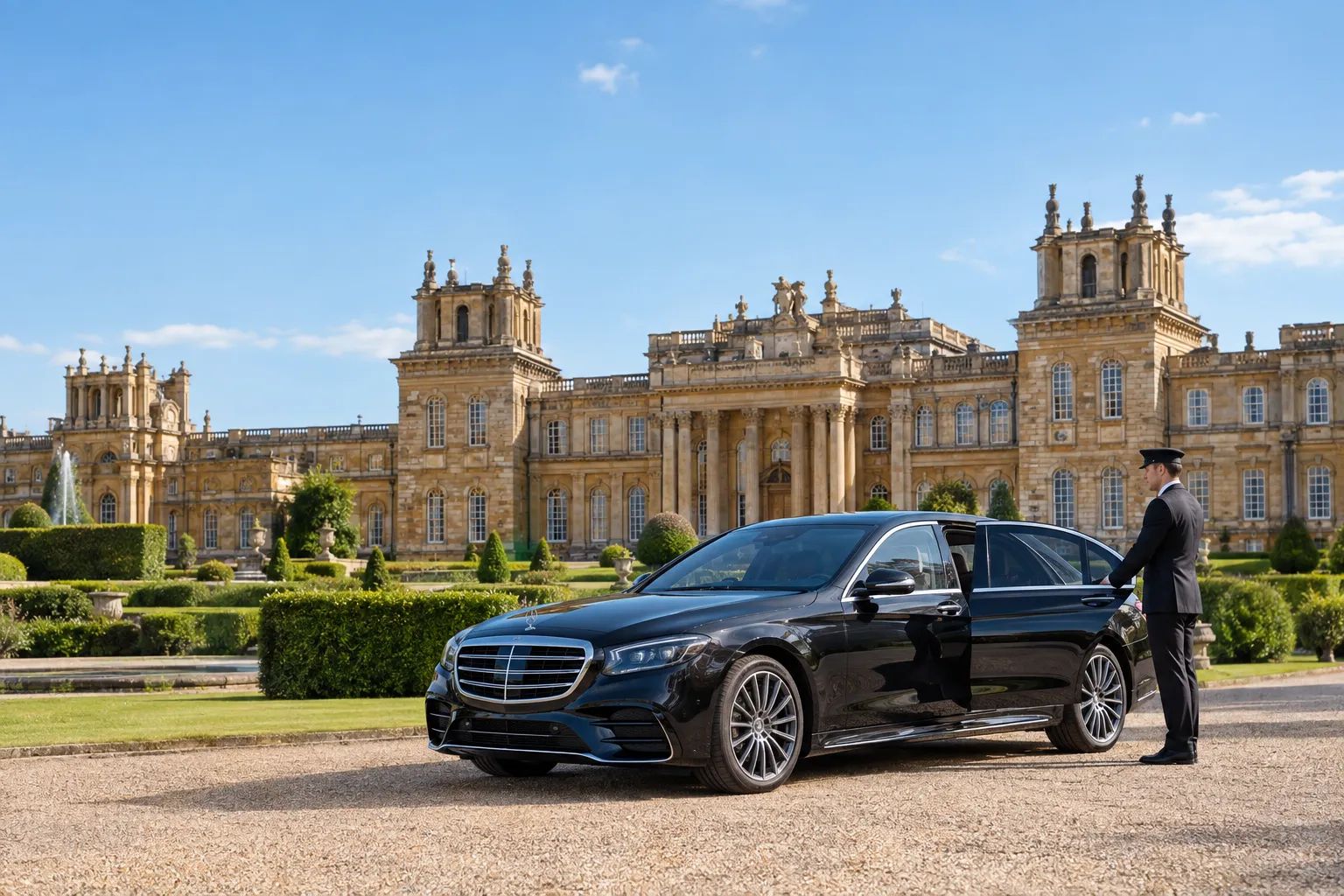
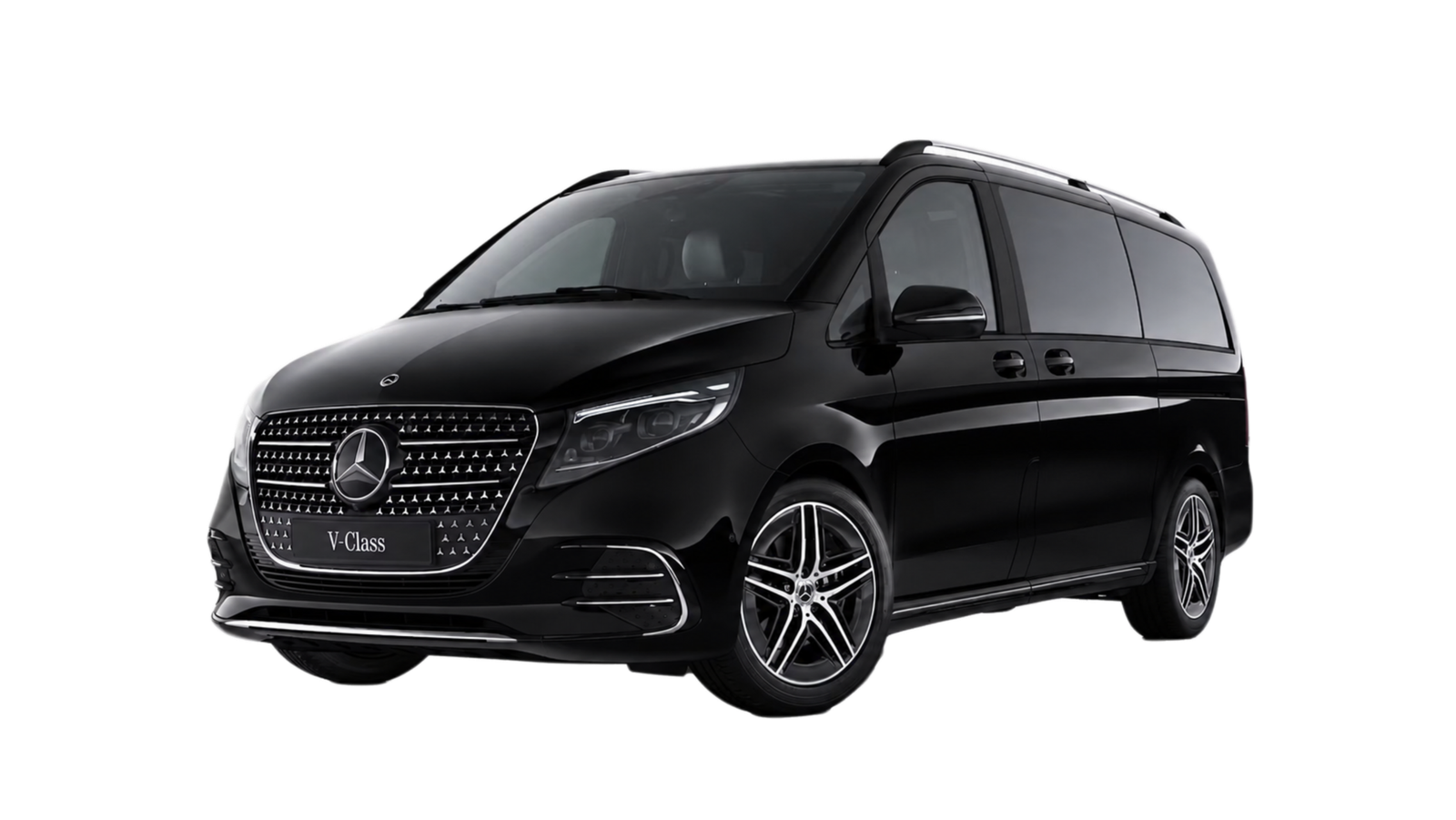
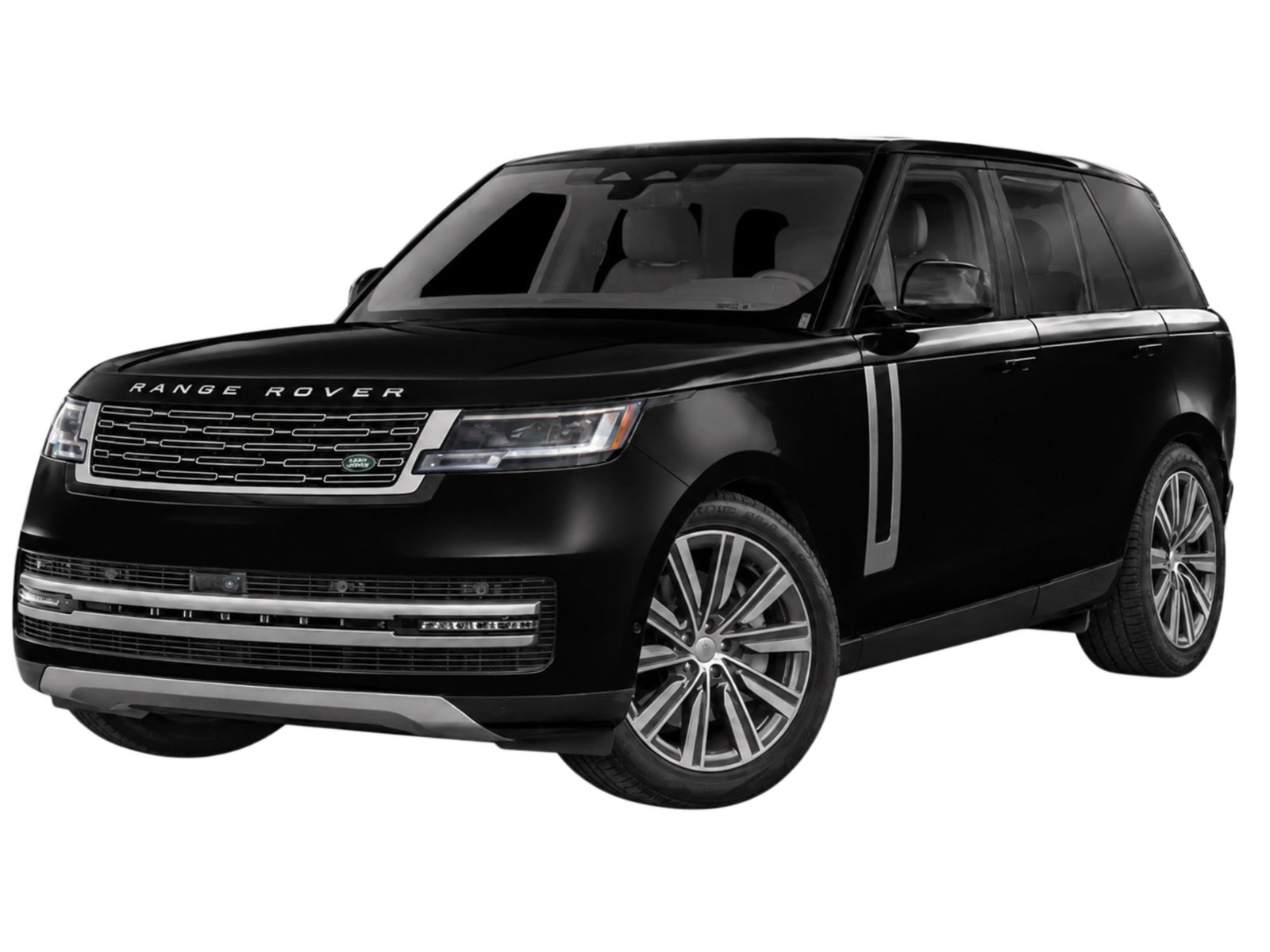
Select a vehicle by considering both the number of passengers and the luggage they will bring. The Mercedes E-Class and S-Class each carry up to three passengers with two large and two cabin bags. The Range Rover also carries up to three passengers with two large and two cabin bags. The Mercedes V-Class carries up to six passengers with up to six large and six cabin bags. These figures help compare the listed options, but the actual group’s bags should be stated before confirmation.
A saloon or Range Rover may suit a smaller party whose passenger and bag count fits the listed capacity. A V-Class is the listed option for a group of as many as six, with a larger stated luggage allowance. Do not choose only by the number of seats: bulky bags, additional cabin cases or other travel items can change what is practical. If your party has a mixture of large and small bags, describe that mixture rather than giving only a total bag count.
The article also refers to executive minibuses for larger groups or tailored requests, available by advance reservation and dependent on group size and luggage requirements. No capacity is specified here, so request confirmation for your particular party rather than assuming a minibus will accommodate a particular number of people or cases.
When comparing options, consider how the vehicle will serve the whole day: passenger space, luggage space and any accessibility needs all matter. The listed vehicles include bottled water, tissues, wipes, phone chargers and an umbrella. Share the complete passenger and luggage details with the booking team and ask them to confirm the suitable vehicle before the booking is finalised.
Making Mobility and Access Needs Part of the Itinerary Discussion
If anyone in the party has mobility needs, describe the practical assistance required when first enquiring, rather than relying on a general request for an accessible vehicle. The service says that accessible arrangements can be made with advance notice and that chauffeurs are experienced in assisting passengers with mobility challenges. Advance information allows the team to discuss a suitable vehicle and the day’s movements before confirming the plan.
Explain which parts of the journey need consideration: boarding and leaving the vehicle, moving between the vehicle and sightseeing locations, or returning to the vehicle after a visit. If a wheelchair or other mobility equipment will be brought, tell the team what it is and ask them to confirm that the proposed vehicle and arrangement can accommodate the passenger and equipment. The available evidence does not specify particular vehicle modifications or guarantee access at each venue, so confirm those details rather than assuming them.
Think about the pace as well as the vehicle. A day with a palace visit, an Oxford stop and several journeys can involve transitions and periods on foot. Discuss whether the suggested stop lengths and order are workable for your party, and whether a refreshment or comfort break would help. The itinerary is flexible, but venue opening times, traffic and the 10-hour duration still shape what can fit.
For venue-specific access, check directly with the relevant site before travelling. A chauffeur’s assistance with transport does not establish that every building, garden or activity is accessible. Sharing clear requirements early helps the booking team identify questions that need answers and gives your group a more reliable basis for deciding whether the proposed day is suitable.
What to Include in a Useful Chauffeur Tour Enquiry
A useful enquiry gives the booking team enough detail to shape a feasible day, not just a preferred vehicle name. Include the date you have in mind, passenger count, collection and return locations, luggage quantities, and the places or activities that matter most to your group. Mention any requested meal or refreshment stop, accessibility needs, child safety seat requirements or guided walking tour interest so these can be discussed early.
Separate essential preferences from optional ones. For instance, identify whether Blenheim Palace or Oxford is the principal focus, then list any secondary interests such as a museum, independent city exploration or dining. This helps the team advise on priorities if the proposed activities compete for time. It also makes it clearer which parts of the plan can be adjusted if traffic or venue hours affect the schedule.
Ask for confirmation of the proposed vehicle, the expected stop sequence, pickup and return points, and how waiting is handled for your specific arrangements. The general allowances differ by pickup type, while sightseeing time is planned around the itinerary. If you have requested a special arrangement, such as accessibility support or a minibus, ask whether it has been confirmed rather than treating the request itself as confirmation.
Early communication is recommended to support vehicle availability and route planning. When you receive itinerary advice, review it against the group’s priorities and the practical limits of the day. Resolve uncertainties before travel, including whether any guided activity or venue arrangement has been set up. This creates a shared plan for the chauffeur and passengers without implying that every requested stop or service is automatically included.
Deciding Whether to Build a Meal Break Into the Day
A meal break competes with time for the palace and Oxford, so decide whether it is a priority before the itinerary is finalised. Tell the booking team whether you want time for a proper meal or would rather keep the day focused on sightseeing, and ask how the suggested stop fits within the 10-hour schedule.
If a meal or refreshment stop matters, raise it in advance rather than leaving the choice until the day. Agree where it could fit and how much time to allow, while keeping some flexibility for traffic and the group’s pace. Waiting time is described as supporting relaxed visits and meals, but confirm how waiting applies to your particular plan instead of assuming every stop can be extended without affecting the rest of the day.
Tour schedule and access are subject to venue opening times and traffic conditions. Booking in advance is recommended to secure availability.